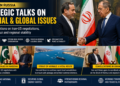







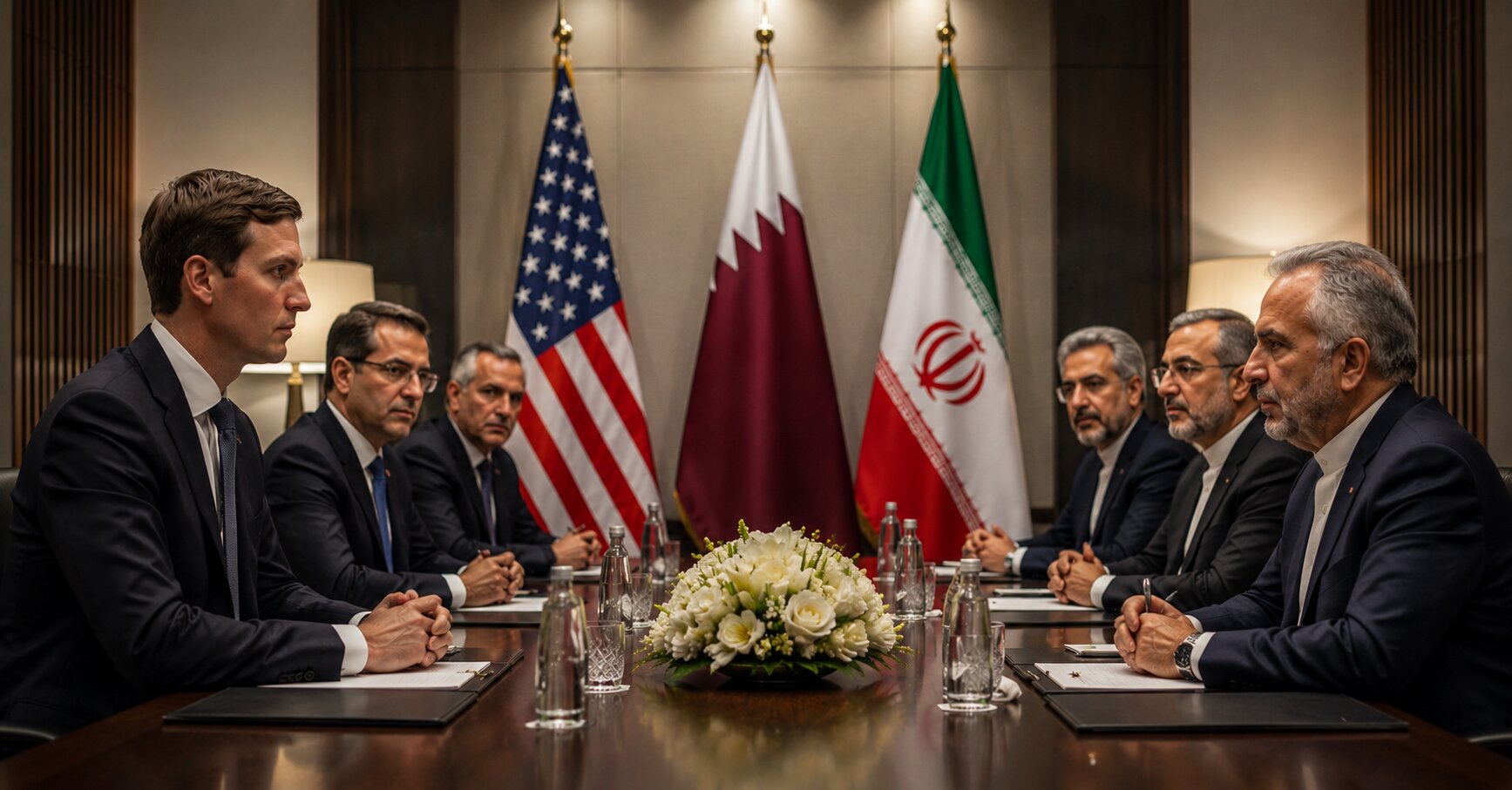
Doha: The latest round of US Iran talks Doha saw special envoy Steve Witkoff and presidential adviser Jared Kushner land in the Qatari capital on Tuesday for discussions with regional mediators on the ongoing standoff. However, officials clarified that the American delegation will not hold direct talks with Iranian representatives during this visit.
Qatari foreign ministry spokesman Majed al-Ansari told reporters that no high-level or direct meetings between Washington and Tehran are currently scheduled. “They are not here for direct negotiations with the Iranians or related meetings,” he said, adding that the visit would instead focus on wider regional concerns, including Lebanon.
Background: A fragile truce after four days of strikes
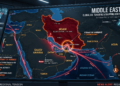
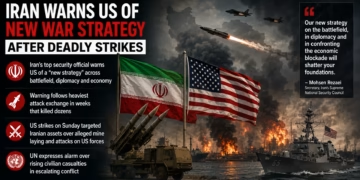
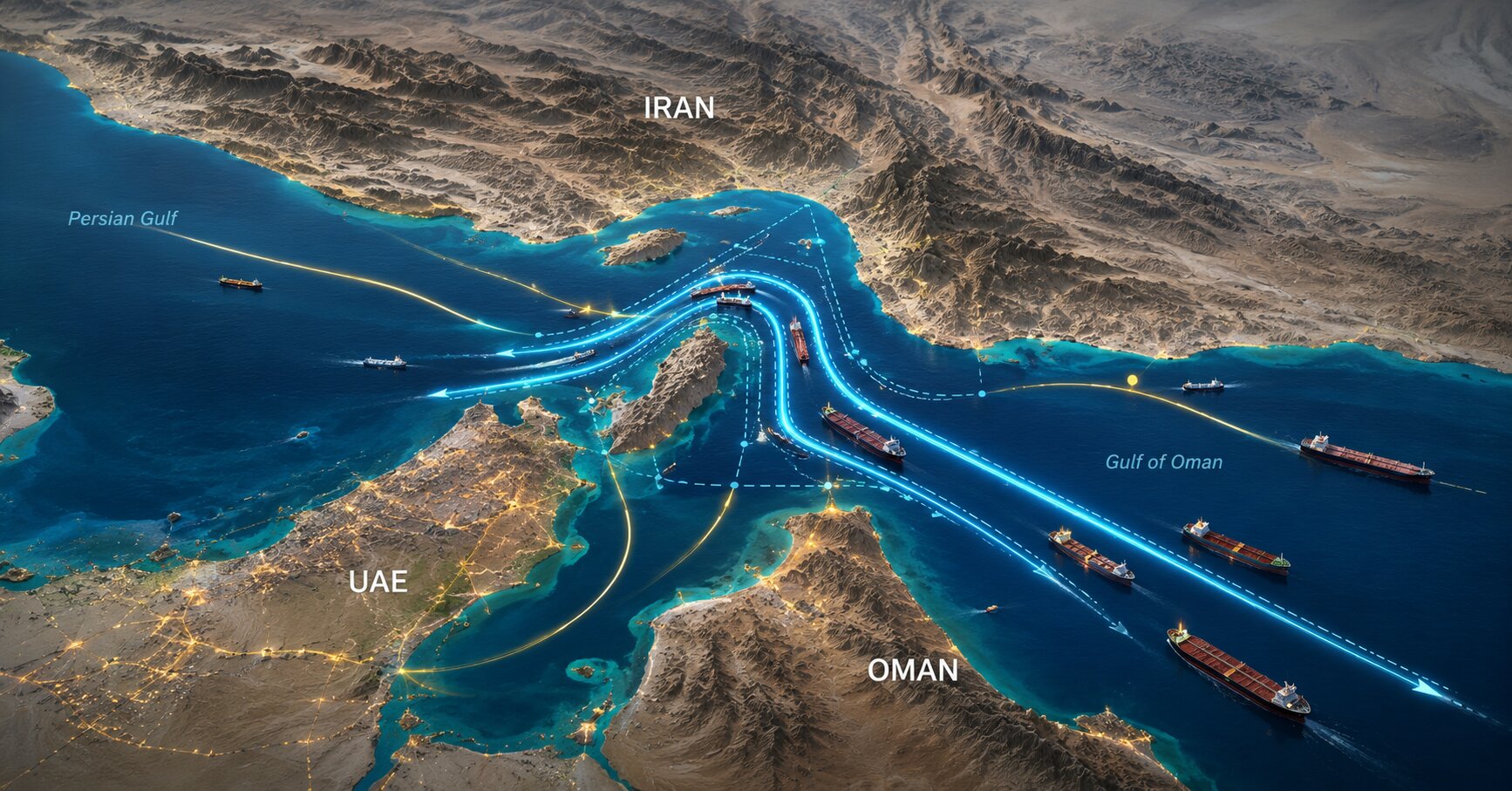
The visit comes days after the United States and Iran agreed to halt hostilities and send delegations to Qatar following a tense four-day exchange of military strikes. The clashes were triggered by a dispute over access to the Strait of Hormuz, a critical shipping corridor through which roughly one-fifth of the world’s oil and gas moves.
The fighting had put at risk a broader understanding — brokered less than two weeks earlier by Pakistan and Qatar — under which the US, Israel and Iran agreed to end their four-month conflict. That memorandum of understanding called for a halt to military activity on all fronts, including Lebanon, immediate reopening of the Strait of Hormuz, and a 60-day window to negotiate a comprehensive settlement covering Iran’s nuclear programme, US sanctions, and a lasting truce.
What went wrong
Mediators had earlier reported encouraging progress from a first round of talks in Switzerland, attended by US Vice-President JD Vance and Iranian Parliamentary Speaker Mohammed Bagher Ghalibaf. A communication channel had also been set up to allow commercial ships safe passage through the strait.
That arrangement broke down last Thursday when Iran struck a cargo vessel after Oman attempted to open its territorial waters to two-way traffic on the strait’s southern side — a move Iran had previously warned against, insisting ships use its own waters on the northern side instead.
Where things stand now
By Sunday night, a US official said both sides had agreed to “stand down for now,” allowing vessels to move freely in and around the strait, with technical discussions continuing on all aspects of the MoU. But the following day, Iran’s deputy foreign minister and lead negotiator Kazem Gharibabadi denied any technical talks were planned that week — a claim President Trump publicly disputed, saying Iran itself had requested Tuesday’s meeting in Doha.
Al-Ansari confirmed that technical-level talks between lower-ranking officials from both sides will continue this week and could be elevated later. He described three parallel negotiating tracks: one on Iran’s nuclear programme, one on economic and sanctions-related matters, and one on regional security.
A senior Trump administration official told CBS News, the BBC’s US partner, that “very positive” conversations had taken place between Witkoff, Kushner and regional leaders, with good progress reported in the technical discussions.
Iran’s position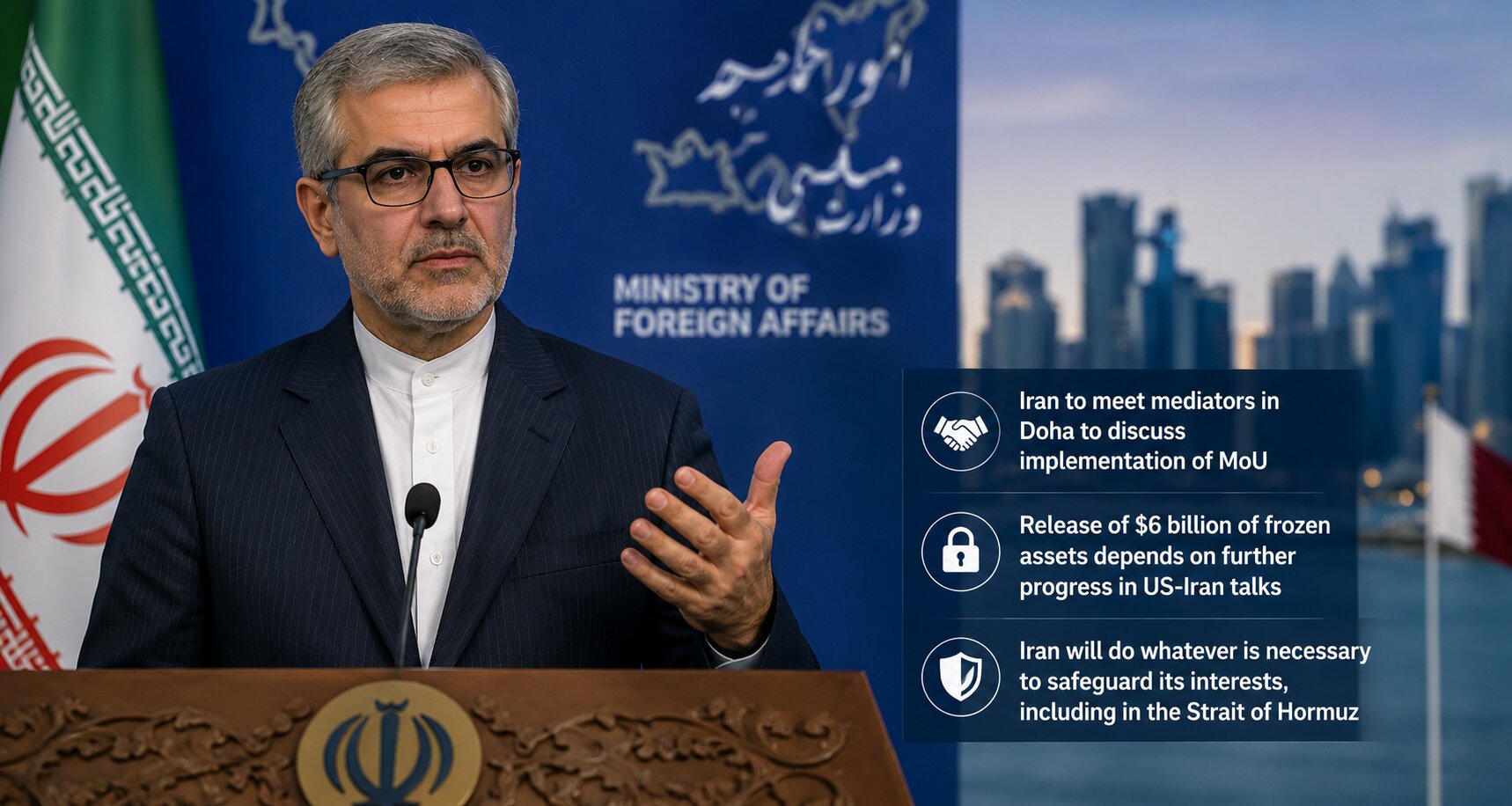
Iranian Foreign Ministry spokesman Esmail Baqai said Tehran’s officials are likely to meet mediators in Doha on Wednesday to discuss implementation of the MoU, including the release of Iranian assets frozen under US sanctions. He reiterated that “no meeting at any level with the American side has been scheduled for the coming days.”
Al-Ansari noted that release of $6 billion of the $12 billion in Iranian assets held in Qatar depends on further progress in direct US-Iran talks, which has not yet materialised. Baqai added that Iran would “do whatever is necessary to safeguard its interests” regarding the Strait of Hormuz and the MoU’s related provisions.
Analysts tracking the US Iran talks Doha developments say the coming days will be critical in determining whether technical-level engagement can be elevated to a formal negotiating track. With three parallel tracks — nuclear, economic, and regional security — already established, the pace of progress on each will likely shape how quickly the 60-day window outlined in the memorandum of understanding can produce a lasting settlement. Regional stakeholders, including Qatar and Pakistan as mediators, continue to stress that maintaining the current stand-down around the Strait of Hormuz remains the immediate priority before broader issues are addressed.