








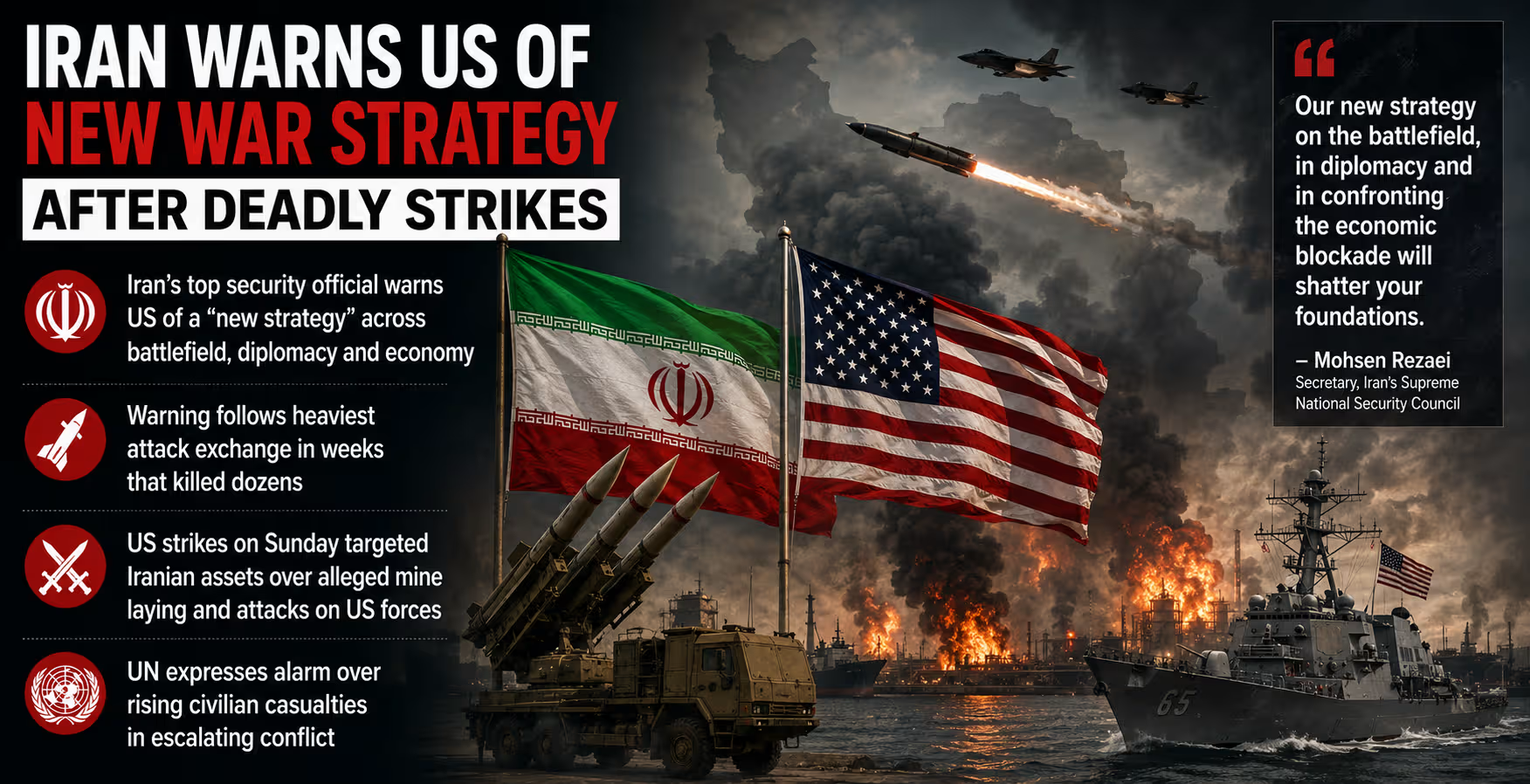
Iran warns US new war strategy is coming to the Middle East conflict, after the heaviest exchange of attacks between the two sides in weeks left dozens dead and drew alarm from the United Nations over civilian casualties.
Iran’s Warning
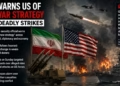
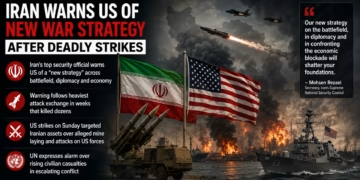
Iran’s Supreme National Security Council secretary, Mohsen Rezaei, issued the warning on Wednesday, posting on X that Tehran’s “desperate struggles” would not allow the US to “escape the depths of the hell you have created for yourselves.” He added that Iran’s “new strategy on the battlefield, in diplomacy and in confronting the economic blockade will shatter your foundations.”
The statement came a day after Washington launched fresh strikes on Iranian assets on Sunday — the first such attacks in several weeks — which US officials said were in retaliation for Iranian attempts to lay mines in the Strait of Hormuz and attacks on US personnel.
The Latest Escalation
In response, Iranian forces targeted US troops stationed in Jordan and the UAE, while separate projectile strikes hit two oil tankers, with responsibility for those attacks still unverified. Saudi Arabia’s national shipping company confirmed that two Filipino sailors died in one of the tanker incidents. Iran also launched missile and drone attacks against what it described as US assets in Bahrain, Jordan, Kuwait, and Iraq, alarming governments across the region.
Iran’s health minister said 18 people were killed and 108 wounded in Tuesday night’s US strikes across the country. Iranian authorities separately reported that seven members of the Islamic Revolutionary Guard Corps and Basij forces were killed in strikes in western and southern Iran.
UN and International Reaction
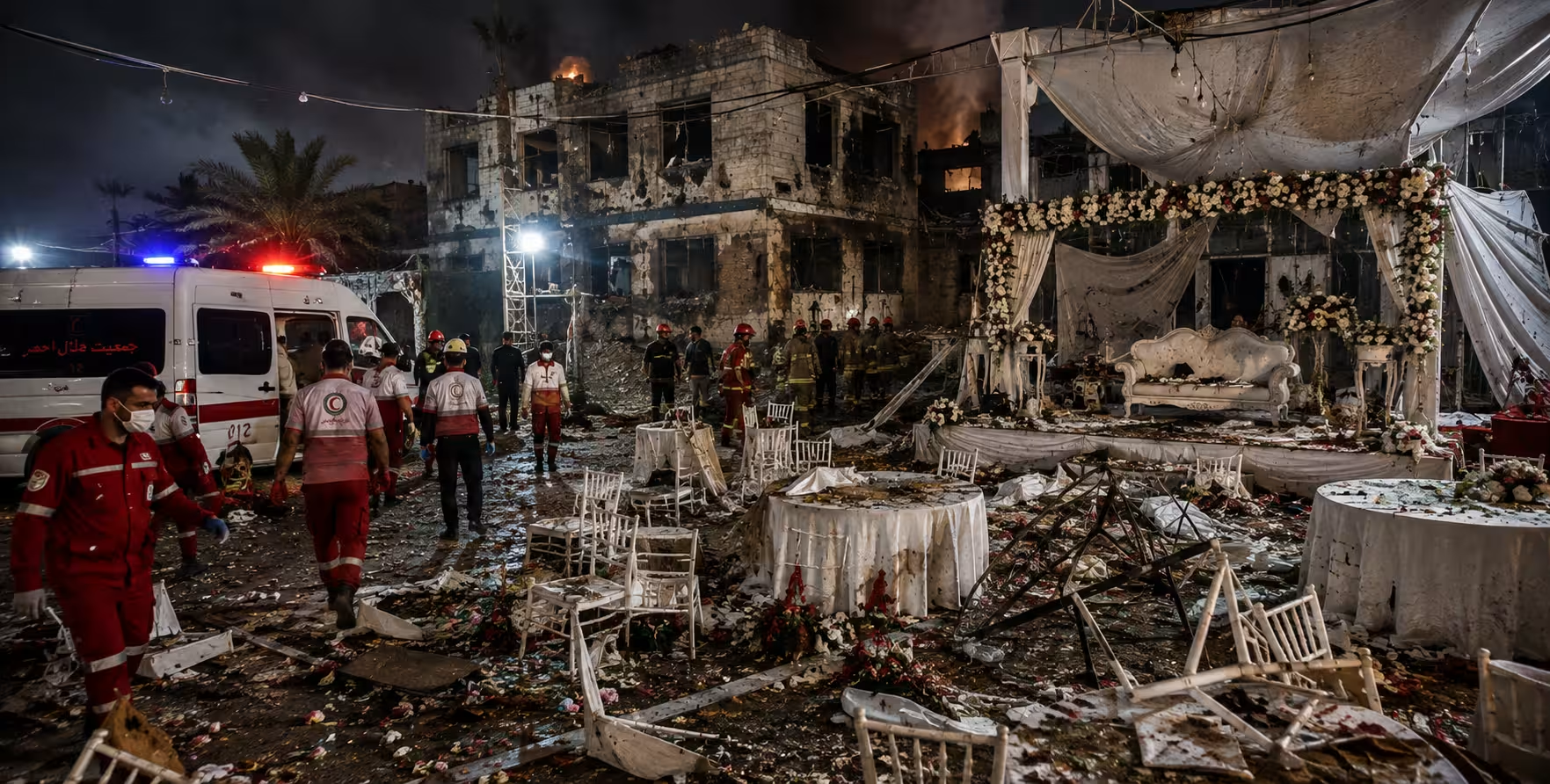
Among the strikes was one that hit a wedding ceremony near the coast of the Strait of Hormuz, in the town of Sirik. The Iranian Red Crescent said four people were killed and 67 wounded at the event. UN Secretary-General Antonio Guterres said he was “deeply alarmed” by reports of civilian casualties, including the strike on the wedding, and called for an immediate cessation of military action, according to his spokesperson.
Iran’s Foreign Ministry spokesman Esmaeil Baghaei separately condemned the strike on the wedding as a “war crime,” while Iranian Parliamentary Speaker Bagher Ghalibaf referred to the US as “the Great Satan” in response to reports of civilian deaths, including children. US Central Command spokesman Tim Hawkins responded that “the US military never targets civilians,” drawing a contrast with Iran’s Revolutionary Guards.
Qatar and Kuwait separately condemned Iranian strikes on their territory and on Bahrain and Jordan, calling them violations of sovereignty and international law, and urged all sides to return to dialogue.
Political Pressure Builds in Washington
The renewed fighting comes as political pressure mounts in Washington, where lawmakers have been demanding public hearings on the war’s objectives and raising questions about the administration’s strategy amid rising US casualties and continued scrutiny of civilian strikes. Despite the escalation, both nations have signalled some openness to eventual diplomatic engagement, even as the fighting shows no sign of immediate de-escalation.
The Broader Toll
The latest deaths add to a mounting civilian toll from the six-month conflict. According to the Human Rights Activists News Agency, an independent Iranian rights group, at least 3,636 people had been documented as killed in Iran as of earlier this year, including 1,701 civilians — a figure that continues to climb with each new round of strikes.
Analysts tracking the conflict say the absence of any active ceasefire framework, combined with both sides publicly ruling out concessions, makes a swift resolution unlikely in the near term, even as regional governments continue pressing for dialogue.
With both sides signalling no retreat, and Iran now promising an unspecified “new strategy,” the conflict appears poised to intensify further in the days ahead, even as diplomatic voices continue to call for restraint.