











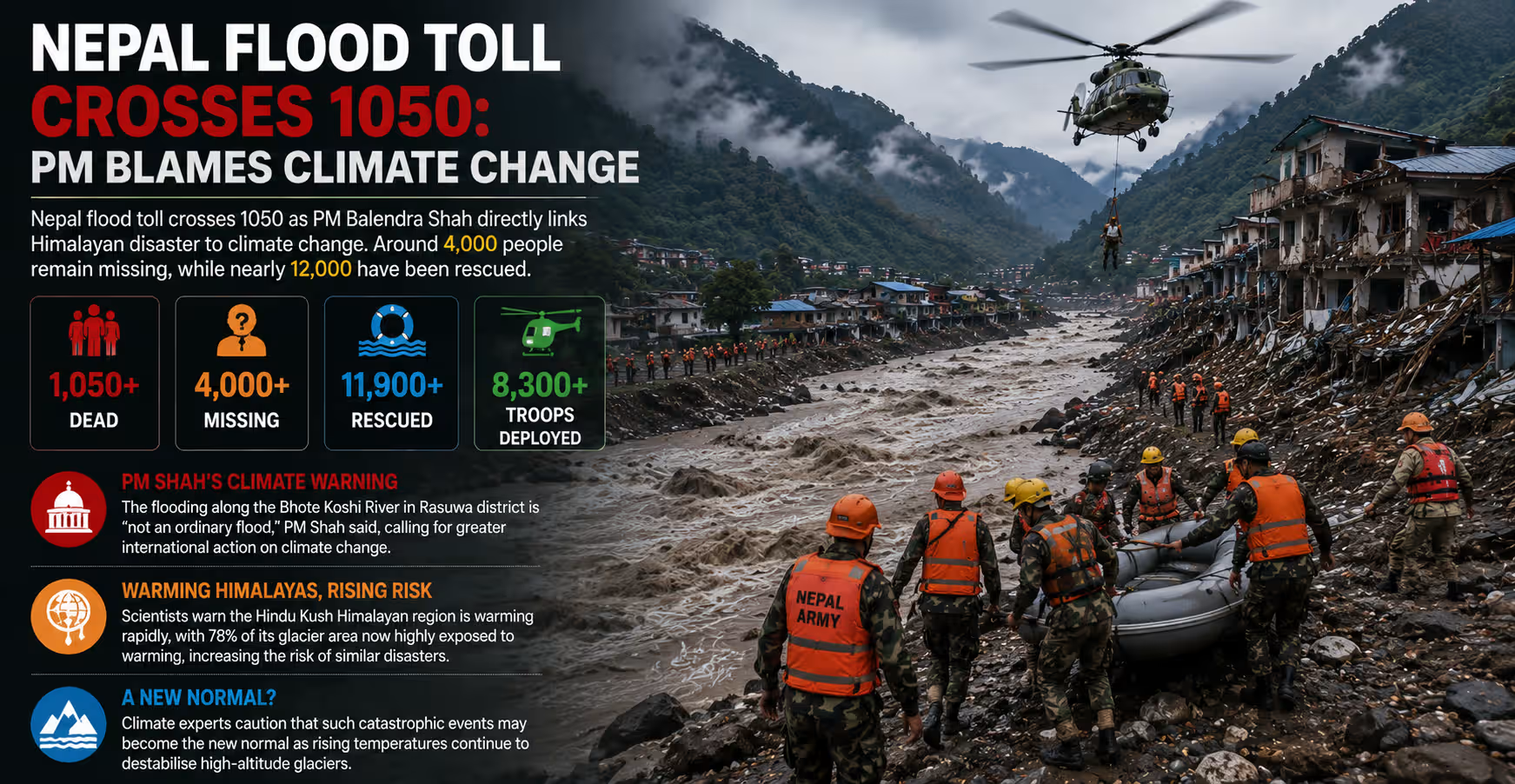
Nepal flood toll crosses 1050 as the country’s Prime Minister Balendra Shah directly linked the devastating Himalayan disaster to climate change, even as rescue operations continue nearly a week after catastrophic flash floods tore through the Nepal-China border region. Around 4,000 people remain missing, while nearly 12,000 have been rescued so far, according to the latest updates from disaster authorities.
PM Shah’s Climate Warning
Describing the scale of the tragedy, Shah said the flooding along the Bhote Koshi River in Rasuwa district was “not an ordinary flood,” calling for greater international action on climate change. His comments echo growing concern among scientists that the Hindu Kush Himalayan region is warming at a rapid pace, driving significant changes to glaciers, snow cover, permafrost, and mountain slopes — with an estimated 78 percent of the region’s glacier area now considered highly exposed to warming.
Climate experts tracking the disaster have warned that such catastrophic events may become the new normal for the region as rising temperatures continue to destabilise high-altitude glaciers, increasing the risk of similar collapses in the years ahead.
Scale of the Disaster
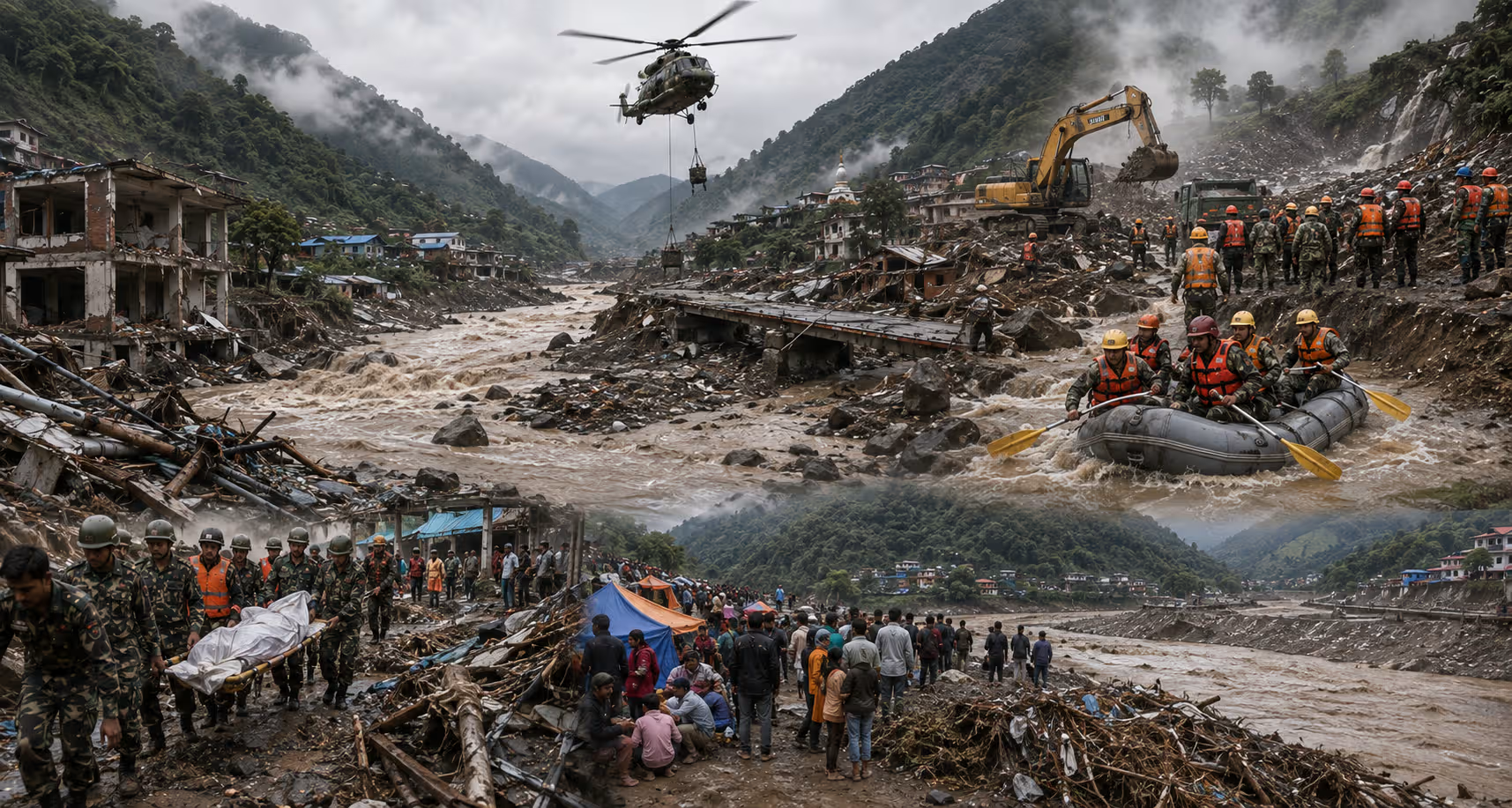
The disaster was triggered by a glacial collapse near the China-Nepal border, unleashing a massive surge of freezing water, ice, and debris that swept through villages, hydropower projects, and transport infrastructure in Rasuwa and neighbouring districts. Authorities have warned that reconstruction costs from the disaster could run into billions of dollars, given the scale of damage to homes, roads, bridges, and power infrastructure.
The missing list includes hundreds of foreign nationals, alongside hydropower project workers, Nepali Army personnel, police officers, and customs and immigration officials who were in the affected areas when the flood struck. Rescue teams, backed by thousands of security personnel, have continued operations across the worst-hit districts despite challenging terrain and ongoing weather disruptions.
How the Toll Has Climbed
The scale of the tragedy has grown steadily since the flood first struck, with the confirmed death toll rising in stages as rescue teams reach more remote, hard-to-access villages along the Bhote Koshi valley. Search efforts have been repeatedly hampered by unstable terrain, continued landslide risk, and damaged roads that have cut off entire settlements from relief convoys. Officials say the true scale of the disaster may not be fully known for some time, as teams continue working through debris-covered areas where entire hydropower camps and riverside settlements were swept away with little warning.
Cross-Border Impact
The disaster’s effects have also been felt beyond Nepal’s borders. Neighbouring regions in China have reported their own casualties and missing persons linked to the same event, while authorities in parts of northern India have recovered bodies believed to be flood victims from rivers flowing down from Nepal, with identification efforts still underway.
What Happens Next
With nearly 12,000 people already rescued, authorities say search operations remain active in the hardest-hit districts, though hopes of finding more survivors continue to diminish with each passing day. The Nepali government, alongside international partners, is now shifting focus toward assessing the full scale of destruction and planning what is expected to be a long and costly reconstruction effort.
PM Shah’s direct linking of the disaster to climate change adds to a growing chorus of officials from disaster-prone regions calling for stronger global commitments to curb emissions and fund climate adaptation measures, particularly for vulnerable mountain communities across South Asia.