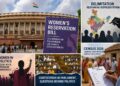








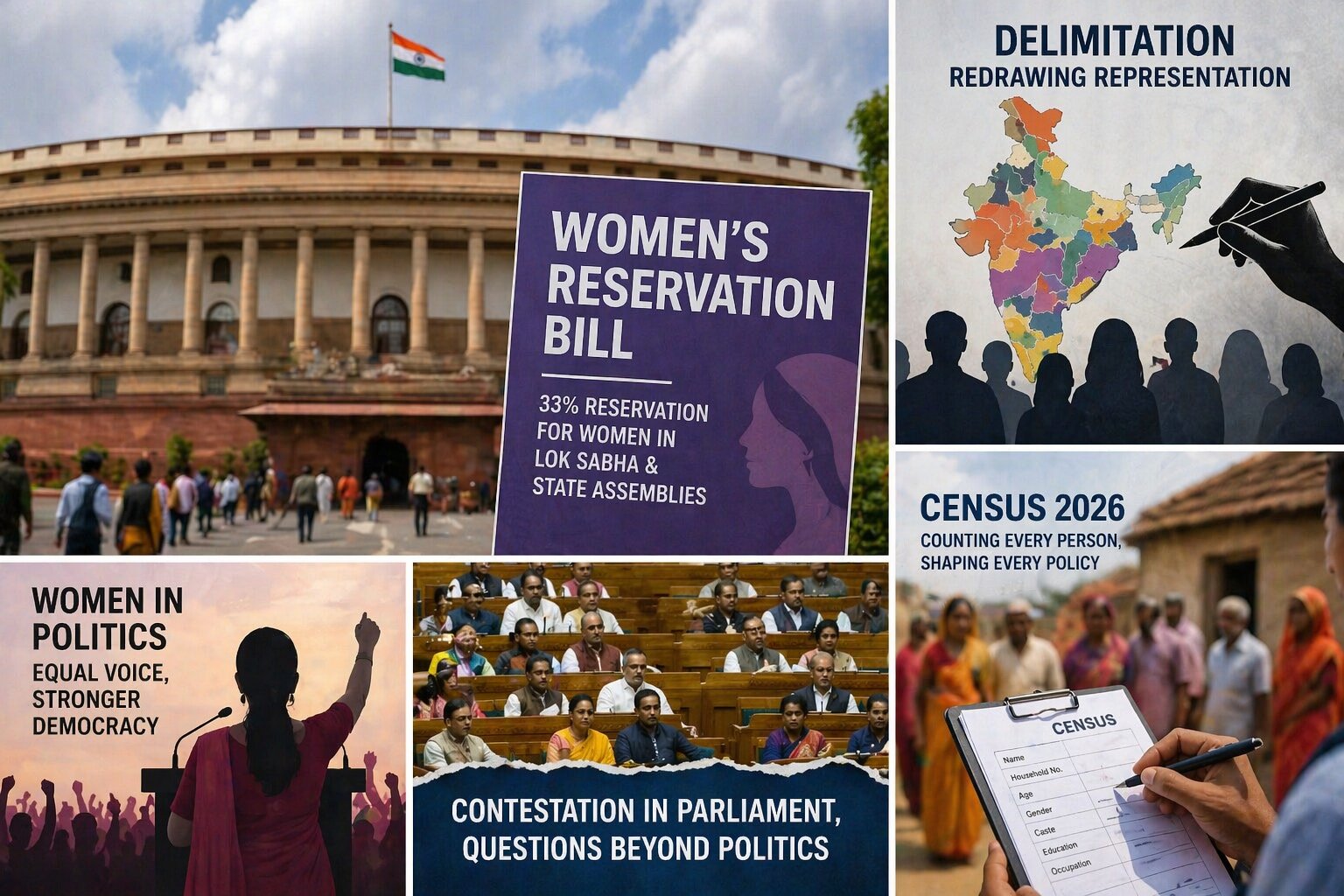
The recent parliamentary session held between April 16 and 18 marked a rare moment in Indian politics, as the government failed to secure passage of the 131st Constitutional Amendment Bill. Equally striking was the unusual unity displayed by opposition parties—something rarely witnessed in recent years. This outcome stands in contrast to earlier legislative phases where contentious bills were passed despite visible resistance.
This development becomes more significant when viewed alongside the Women’s Reservation Bill, which was unanimously passed in September 2023. Despite broad political support at the time, the delay in issuing its formal notification has raised important questions. Unlike previous legislations that were implemented swiftly, this gap has led to growing debate about the timing and intent behind its execution.
At the core of the current discussion lies the issue of delimitation and the proposed expansion of seats in the Lok Sabha and state assemblies. The plan to introduce reservations for women, Scheduled Castes, and Scheduled Tribes alongside this restructuring adds another layer of complexity. However, the proposal to base this exercise on the 2011 Census has emerged as a major point of contention.

Opposition parties argue that relying on data that is over a decade old may not accurately reflect present demographic realities, particularly when a fresh census process is already underway. The concern is that decisions taken now could shape political representation for decades, making the choice of data both sensitive and consequential.
Adding to this debate is the growing demand for caste-based data, which has the potential to significantly reshape conversations around reservation and representation. Developments in states like Bihar and Karnataka have already brought this issue to the forefront, indicating a broader shift in how social realities are being politically understood and addressed.
Looking ahead, it is likely that delimitation will take place only after the completion of the next census cycle. However, the larger questions around representation, regional balance, and inclusivity are expected to remain central to political discourse. As these debates evolve, their long-term impact on India’s democratic framework will continue to be closely observed.