












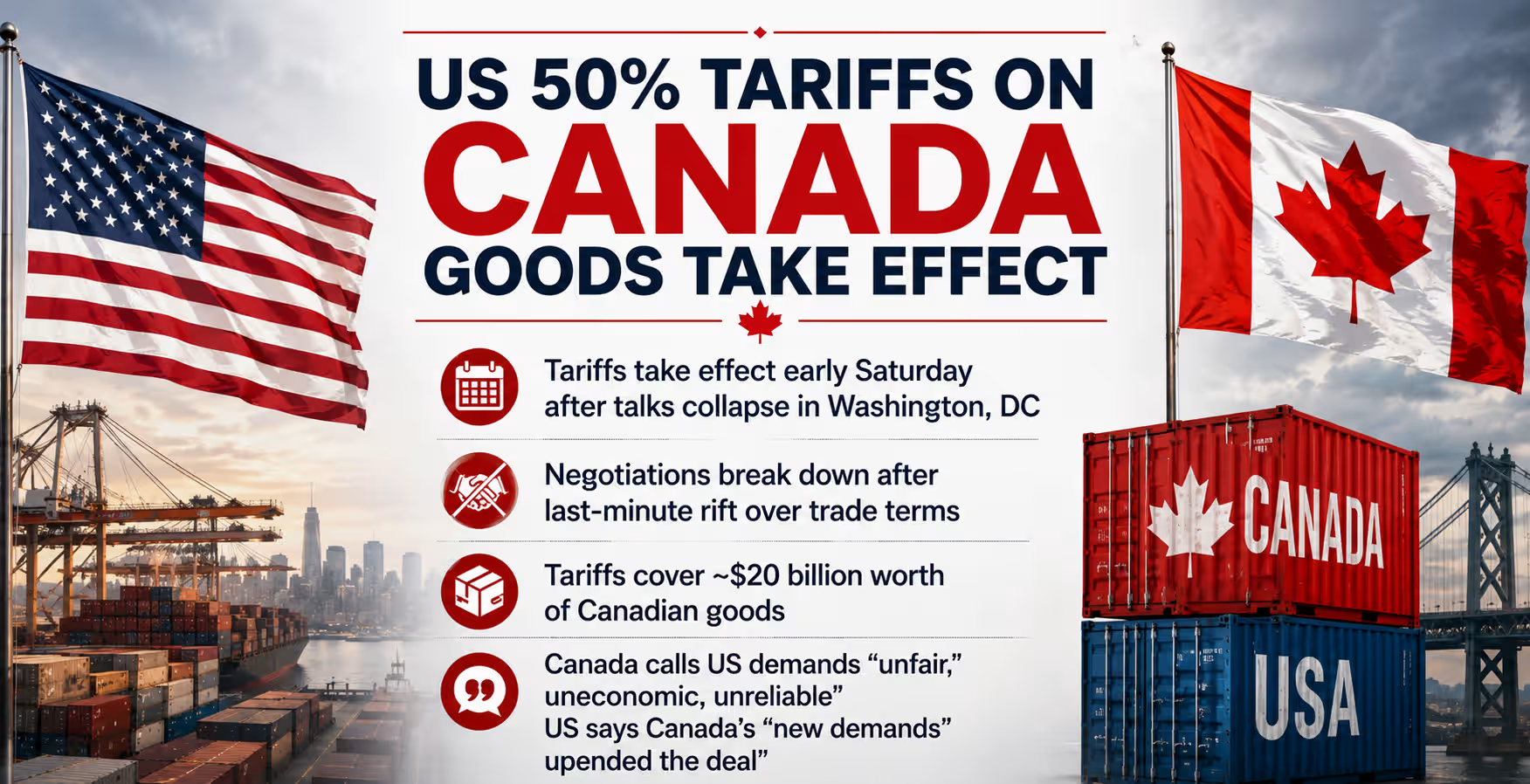
US 50 percent tariffs Canada goods took effect early Saturday after three days of last-ditch trade negotiations in Washington, DC, collapsed without an agreement, deepening a rift between the two historically close allies.
How the Talks Fell Apart
The tariffs, covering roughly $20 billion worth of Canadian goods, were originally set to take effect on August 19 but were delayed three days by President Donald Trump to allow negotiations to continue. Despite early signs of progress, talks broke down entirely on Friday night, with both sides trading blame for the failure.
Canadian Prime Minister Mark Carney said “last-minute changes” in the US proposed terms were “unfair, uneconomic, and called into question the reliability of any deal.” US Trade Representative Jamieson Greer countered that “new demands and walk-backs” by Canada had “upended the careful balance reached in the past days.”
Carney disclosed that Canada had been willing to drop remaining retaliatory tariffs on steel, aluminum, and autos if Washington substantially lowered its own duties, and to encourage provinces to restore US alcohol sales — but said the final American demands went too far.
What the Tariffs Cover
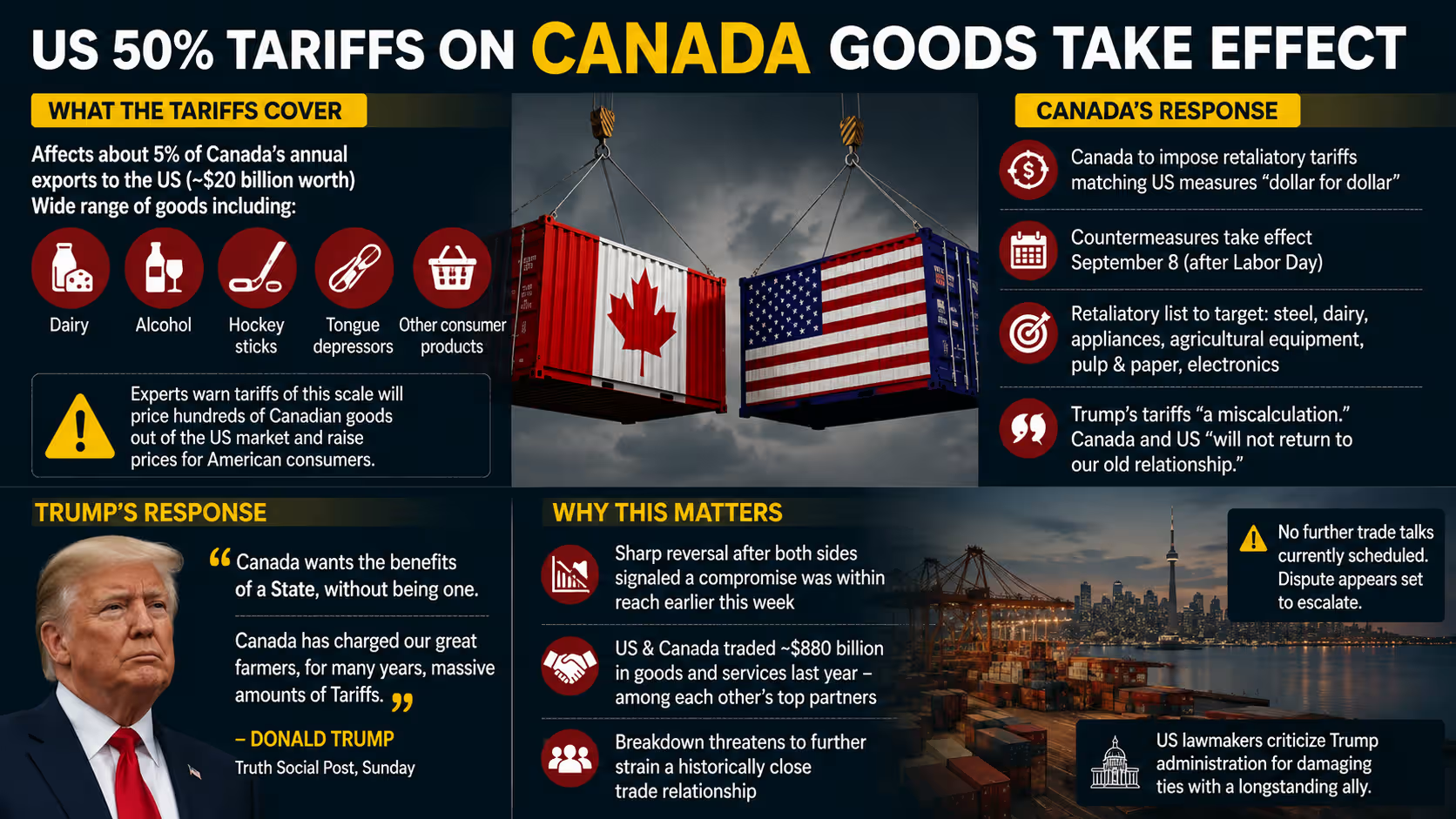
The new 50 percent levies affect about 5 percent of Canada’s annual exports to the US, hitting a wide range of goods from hockey sticks to tongue depressors, on top of tariffs Trump had already imposed earlier this year. The affected sectors include dairy, alcohol, and various other consumer products.
Trade expert Julian Karaguesian of McGill University warned that tariffs of this scale would “effectively price hundreds of Canadian goods out of the US market,” while analysts also cautioned that American consumers could see price increases as a result of the escalation.
Canada’s Response
Carney confirmed that Canada would strike back with retaliatory tariffs matching the US measures “dollar for dollar,” with the countermeasures set to take effect on September 8 — after the Labor Day holiday. The retaliatory list is expected to target steel, dairy, appliances, agricultural equipment, pulp and paper, and electronics.
Calling Trump’s tariffs “a miscalculation,” Carney said Canada had “recognized from the beginning that America has changed” and that the two nations “will not return to our old relationship.” No further trade talks between the two countries are currently scheduled.
Trump’s Response
Trump defended the move in a Truth Social post on Sunday, accusing Canada of wanting “the benefits of a State, without being one.” He also claimed Canada had “charged our great farmers, for many years, massive amounts of Tariffs,” signalling no immediate willingness to revisit the deal.
Why This Matters
The breakdown marks a sharp reversal from earlier in the week, when officials from both countries had suggested a compromise was within reach — Trump himself had said on Friday he expected a deal could be reached. The US and Canada exchanged roughly $880 billion worth of goods and services last year, making the two nations among each other’s largest trading partners, and the collapse threatens to strain that relationship further as both sides dig in.
Democratic lawmakers in the US criticised the Trump administration in the aftermath, accusing the president of damaging relations with a longstanding ally. With retaliatory tariffs now scheduled and no fresh talks planned, the trade dispute appears set to escalate rather than de-escalate in the near term.