












What Started As A Joke Online Is Now One Of India’s Biggest Youth Protests
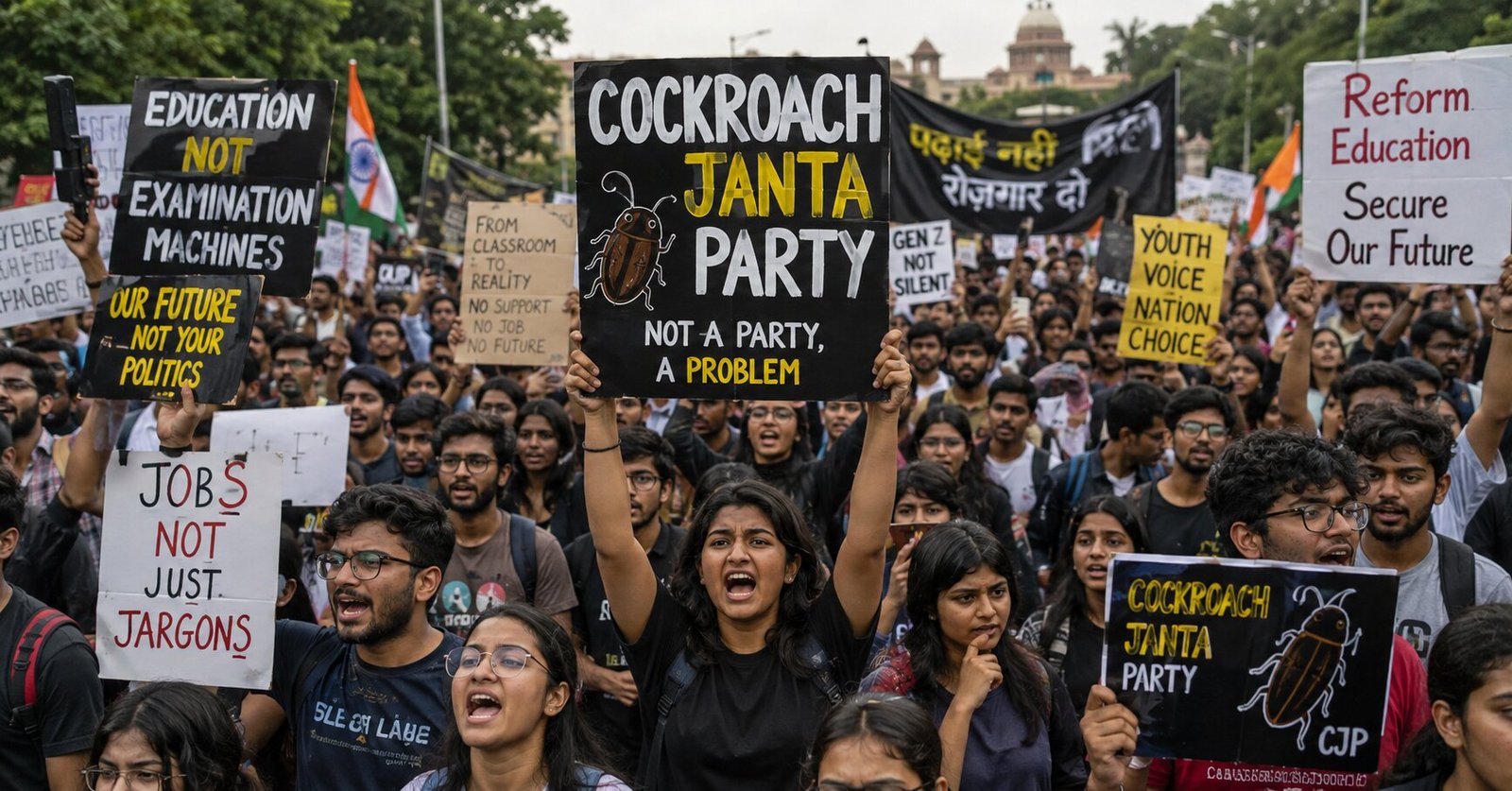
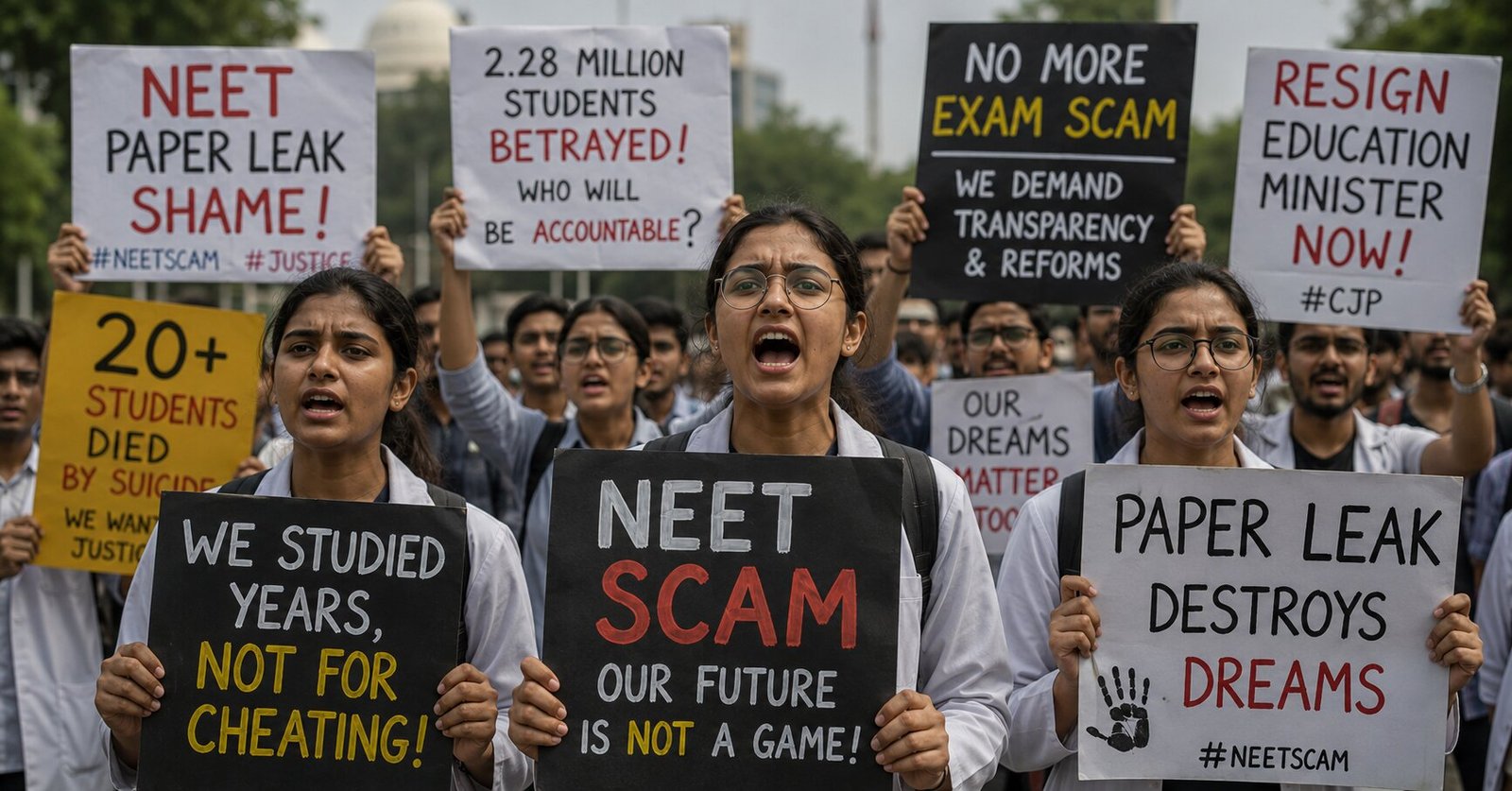
Cockroach Janta Party protesters have flooded the streets of Delhi, demanding the resignation of India’s education minister, in a movement that began as an online joke just two months ago. What started as a small, sarcastic social media page has snowballed into one of the most visible youth-led protest movements India has seen in recent years.
The group behind it, calling itself the Cockroach Janta Party (CJP), has rapidly grown from a satirical page into a nationwide symbol of Gen Z frustration over India’s education system and a youth unemployment crisis that has left many graduates struggling to find stable work.
How A Joke Became A Movement
The CJP isn’t a political party at all, despite the name. It was founded by Abhijeet Dipke, a 30-year-old political communications strategist who once studied at Boston University. Dipke has said the idea began casually, as an attempt to create a space where young people could vent frustrations and connect with others facing similar struggles.
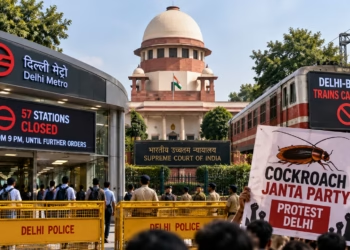
What he didn’t expect was the response. After posting a simple sign-up form online, tens of thousands of people registered within weeks, turning a throwaway concept into a full-fledged protest movement almost overnight. On July 9, the group announced a march on parliament for July 20 — and thousands showed up, not just in Delhi but in Mumbai, Bengaluru, and Goa as well, with candle-lit vigils held in solidarity across several other cities.
Where The “Cockroach” Name Comes From
The unusual name traces back to remarks made by India’s Chief Justice, Surya Kant, during a May court hearing. He was widely reported to have compared unemployed youth turning to journalism and activism to cockroaches and parasites. He later clarified that his comment was aimed only at people using fraudulent or fake degrees, not young people broadly — but by then the phrase had already spread widely online, and it stuck.
The name also doubles as a pointed jab at Prime Minister Narendra Modi’s ruling Bharatiya Janata Party (BJP), mimicking its initials as a form of protest satire. Protesters have leaned fully into the imagery, with volunteers showing up to demonstrations and clean-up drives dressed as cockroaches.
A Hunger Strike Raises The Stakes
The protests gained further national attention after Sonam Wangchuk, a well-known engineer and activist, began a hunger strike in support of the movement at Delhi’s historic Jantar Mantar protest site in late June. Over the weekend, the 59-year-old was reportedly taken to hospital by force, sparking outrage among supporters and pushing CJP leader Dipke to publicly call for Modi’s resignation as well. Wangchuk has reportedly continued his fast even from his hospital bed.
Clashes, Arrests, And Political Fallout
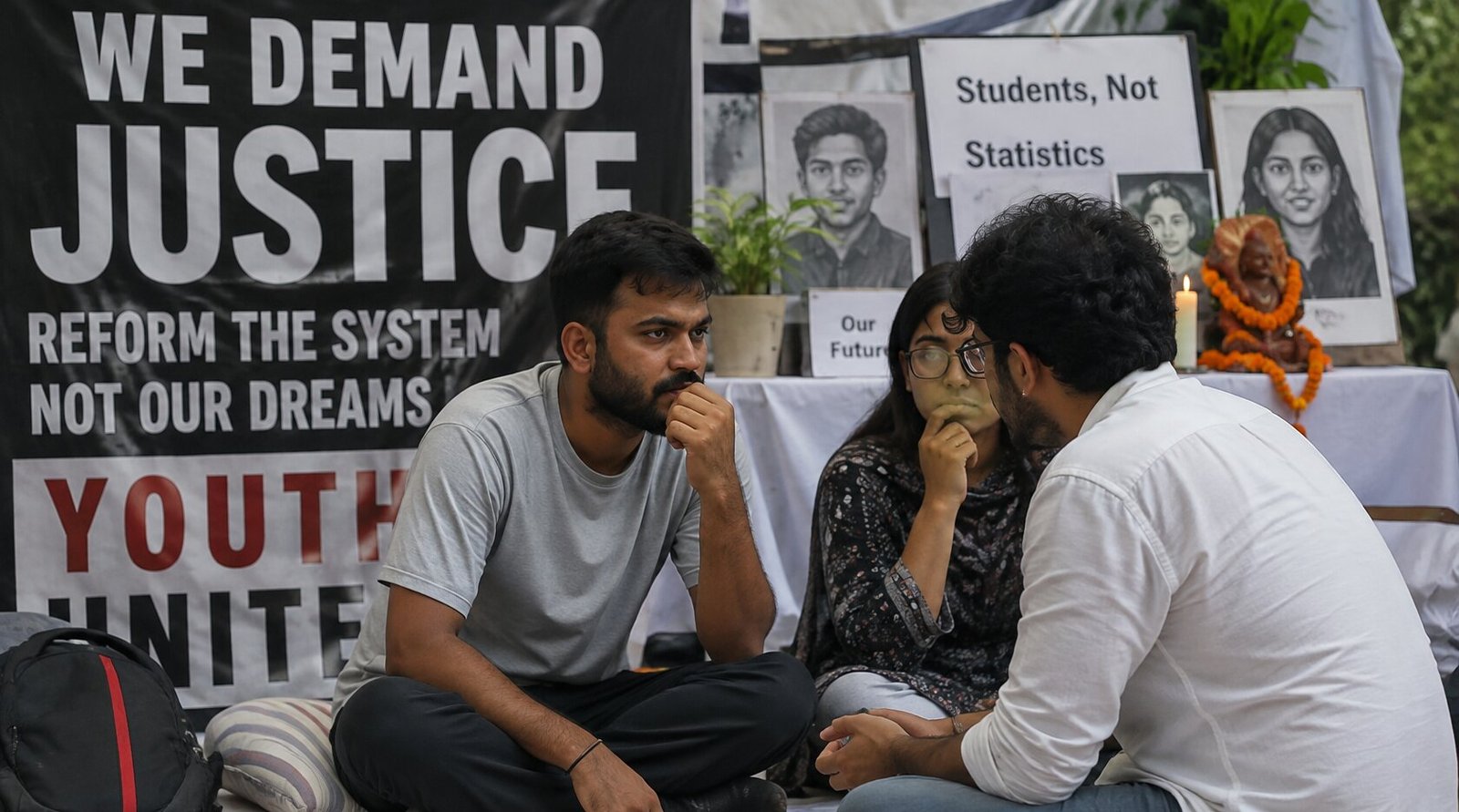
The march on parliament turned into the largest anti-government protest Delhi has seen in recent years. Police used batons and tear gas after demonstrators attempted to push through security barricades, injuring both protesters and officers in the process. Authorities later dismantled the protest camp at Jantar Mantar, though demonstrators have continued to gather at the site around the clock, despite heavy rain and Delhi’s sweltering heat.
The fallout has spilled well into national politics. Opposition Congress party leaders, including Rahul Gandhi, staged their own protest outside Modi’s residence after being denied the chance to raise the issue inside parliament — several leaders were briefly detained and taken away in police vehicles before being released a few hours later.
Education Minister Pradhan pushed back publicly, accusing the Congress party of using students as political props rather than seeking genuine solutions, while maintaining that the government remains open to addressing student concerns through dialogue. He stopped short of directly addressing the CJP’s core demands, and the group has yet to formally respond to his comments.