


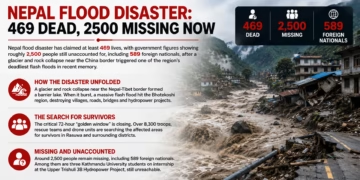








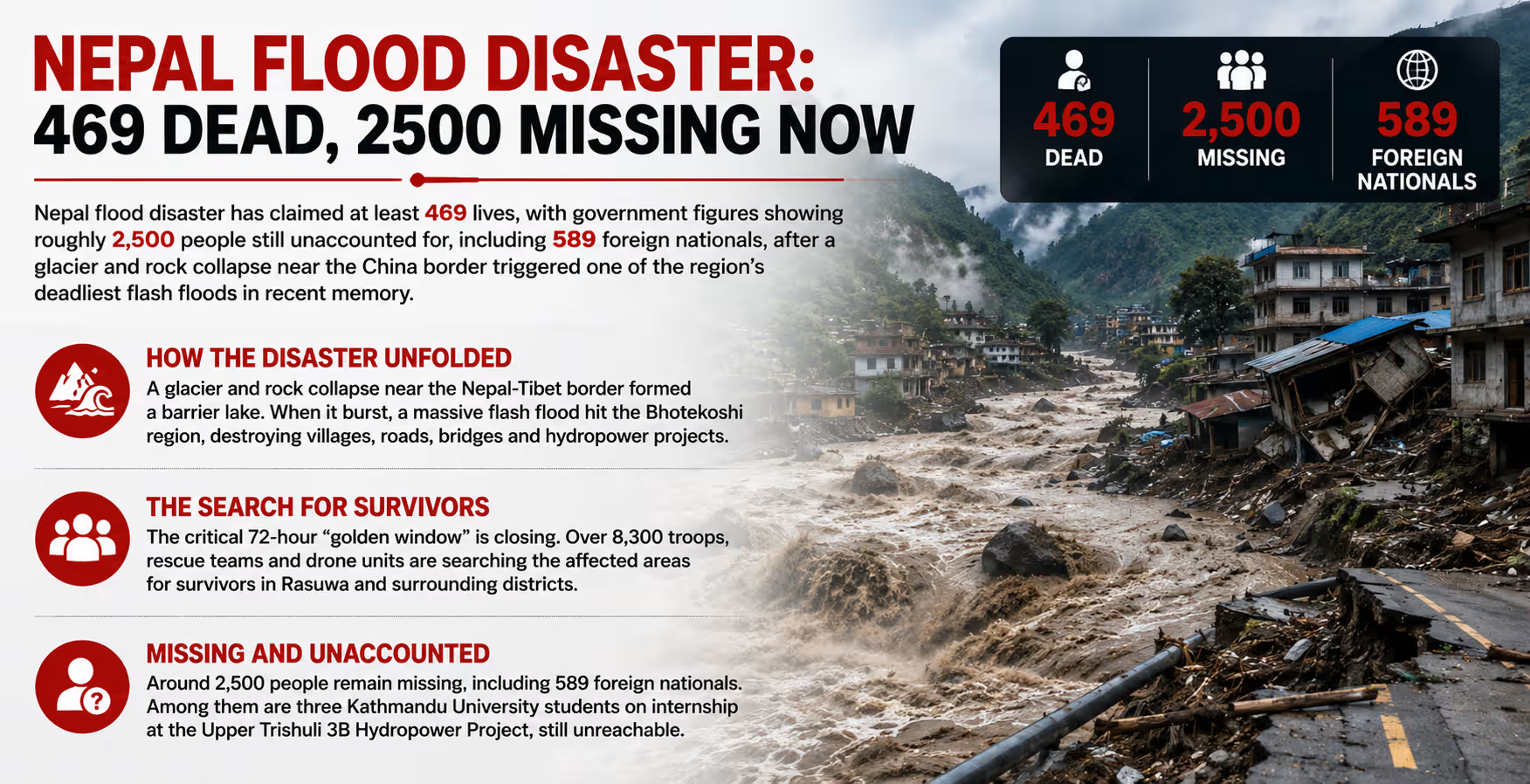
Nepal flood disaster has claimed at least 469 lives, with government figures showing roughly 2,500 people still unaccounted for, including 589 foreign nationals, after a glacier and rock collapse near the China border triggered one of the region’s deadliest flash floods in recent memory.
How the Disaster Unfolded
The catastrophe struck Wednesday morning along the mountainous Nepal-Tibet border, when a glacier and rock collapse high in the Himalayas is believed to have formed a “barrier lake” near where Nepal’s Chhochen Khola river meets the Purepu Tsangpo, which flows into China. When the barrier gave way, it unleashed a massive flash flood and mudslide that tore through villages in the Bhotekoshi region, slamming into homes, roads, bridges, and hydropower infrastructure.
The Rasuwa and Nuwakot districts bore the brunt of the destruction, with towns including Trishuli and Devighat in Bidur Municipality left buried under mud and debris. Survivors described houses surrounded by raging floodwaters, with some residents trapped on rooftops as the water rose.
The Search for Survivors
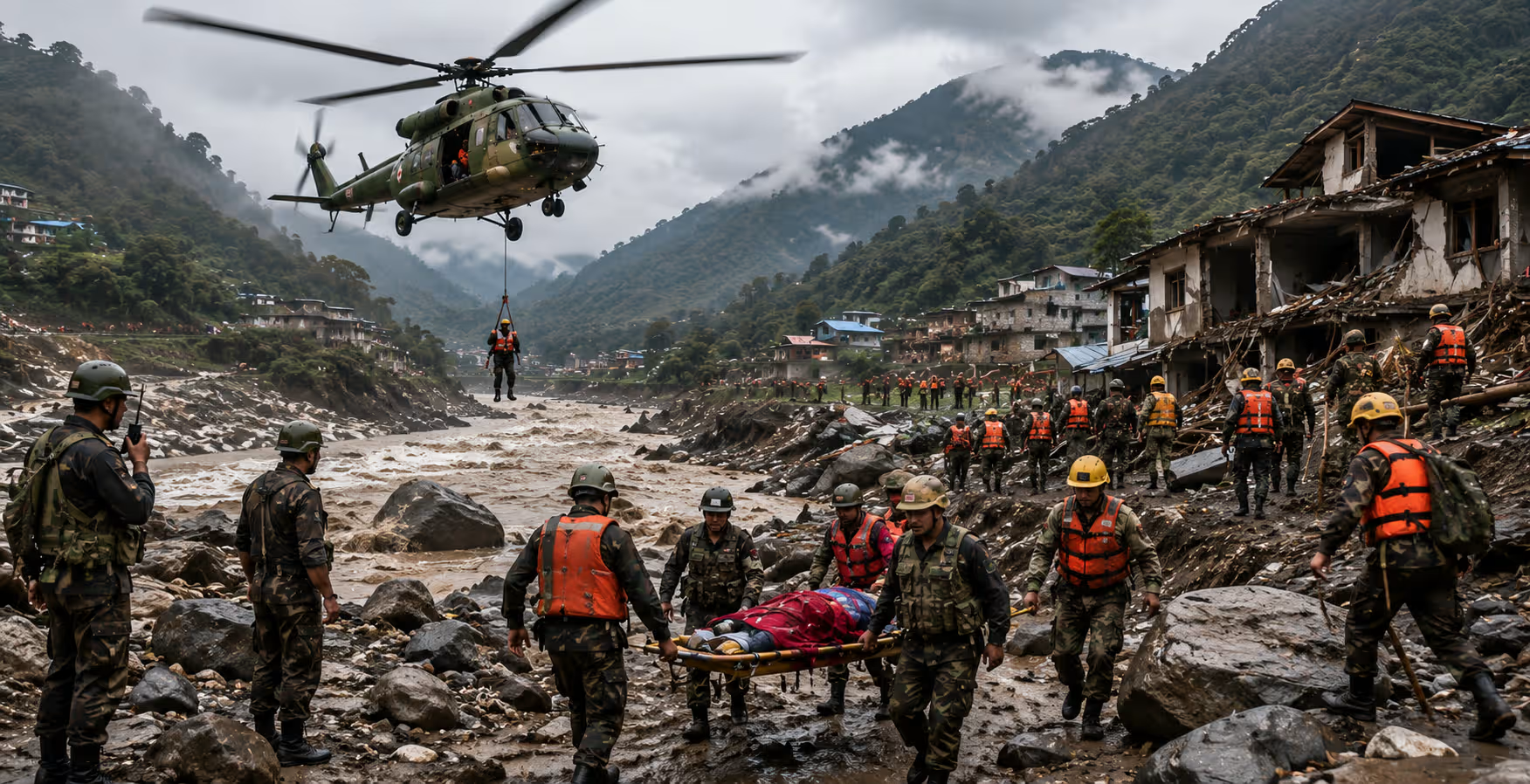
As of Saturday, authorities warned that the critical 72-hour “golden window” for disaster survival was closing, dimming hopes for many of those still missing. More than 8,300 troops have been deployed across the affected districts for search and rescue operations, alongside drone teams working to assess damage and locate survivors in Rasuwa.
Among the missing are three Kathmandu University students who had been completing an internship at the Upper Trishuli 3B Hydropower Project and remain unreachable, according to the university. Family members abroad, including members of the Nepali diaspora, have described anxious waits for news of loved ones as communication with some affected areas remains difficult.
International Response
China has dispatched relief support directly to the affected region, delivering two military transport aircraft carrying 13,200 items including tents, blankets, and first-aid kits. Chinese authorities said they have notified relevant embassies and consulates of nationals believed to be among the missing.
US President Donald Trump said Washington was willing to send “any help” to Nepal in the aftermath of the disaster, as international attention turned to the scale of the humanitarian crisis unfolding along the remote border region.
Infrastructure Damage and Isolation
The disaster has severely disrupted transportation and connectivity in the region. The Prithvi Highway, a vital arterial link to Kathmandu, was completely shut down following landslides at Krishnabhir and Parewa Bhir in Dhading district, cutting off access as persistent heavy rainfall continued to trigger further transportation chaos across Koshi, Bagmati, and Karnali provinces.
Preliminary estimates suggest the Bhotekoshi floods caused extensive damage to hydropower projects and power transmission infrastructure in the region, though the full scale of the damage, insurance coverage, and reconstruction costs remain unclear at this stage.
A Growing Toll
With the death toll expected to rise further as search operations continue, the disaster has emerged as one of the deadliest natural calamities to hit the Nepal-China border region in years. Scientists investigating the cause believe the flood was triggered by a huge chunk of glacier that broke off and temporarily dammed a river before giving way — a phenomenon that climate researchers say may become more frequent as rising temperatures destabilise Himalayan glaciers.
As rescue teams race against time and worsening weather conditions, the coming days are expected to be critical in determining the final scale of casualties and the long-term recovery challenge facing the affected communities.