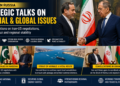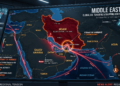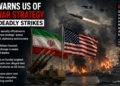







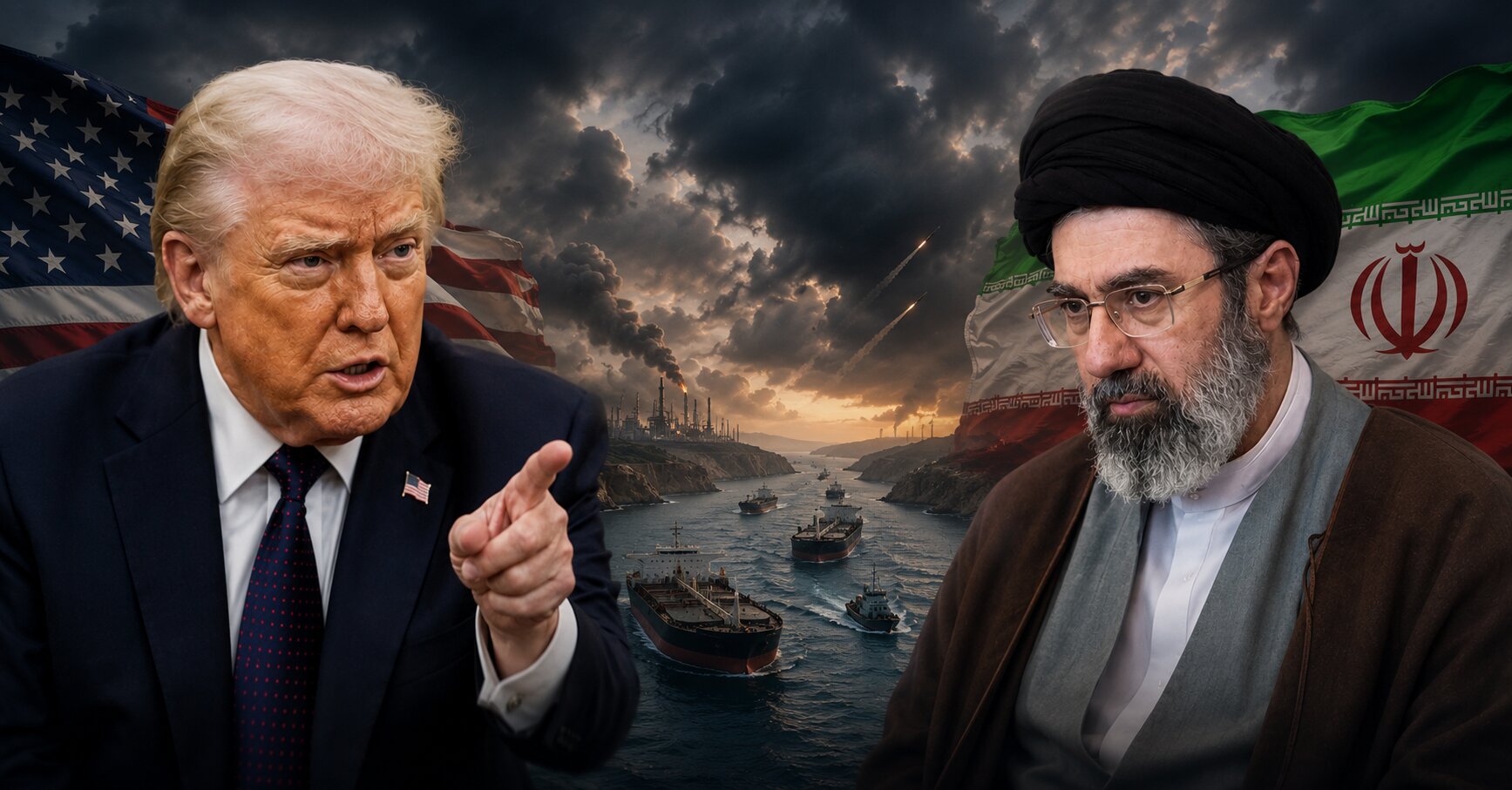
The US Iran peace deal is closer than ever with a senior White House official saying his confidence in reaching an agreement has risen from 75 percent to 80-85 percent — but significant sticking points remain, including Iran’s nuclear stockpile, frozen assets and control over the Strait of Hormuz.
Speaking to the New York Times on condition of anonymity, the US official said a potential framework of agreement with Iran could be signed within “the next few days” — though he added it was not yet finalised. A signing date and venue remain unclear, and Iran’s internal decision-making process was described as “very complicated.”
What the US Says the Deal Will Deliver
The White House official outlined what Washington believes the agreement will accomplish, describing its core objectives in straightforward terms.
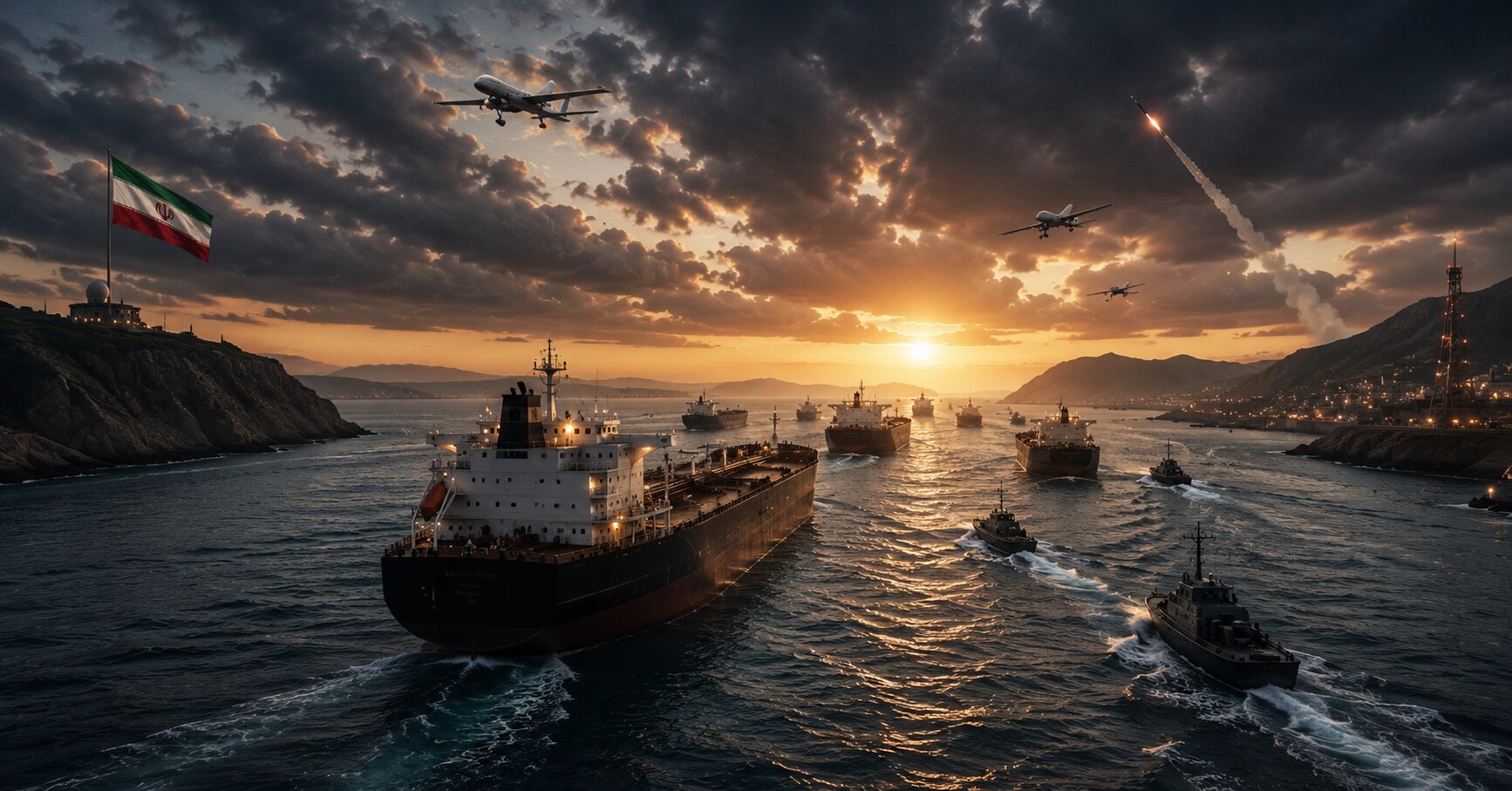
“What the deal does is actually quite simple. It reopens the straits and lifts the blockade. It leads to the dismantling of the Iranian nuclear programme. It leads to the United States getting the enriched material. We provided the agreement that this material would be destroyed on site and then taken out of the country,” the official said.
On the question of financial payments to Iran, the official rejected reports that Tehran would receive upfront money upon signing the memorandum of understanding. He clarified that Iran would be “rewarded economically for complying with their obligations” — meaning payments would be conditional on verified actions such as handing over nuclear material, dismantling facilities and committing to regional peace and stability.
Iran’s Version: Only a 60-Day Ceasefire
Despite the optimistic framing from Washington, the US Iran peace deal looks significantly different from Tehran’s perspective. Iranian sources have described the proposed agreement as establishing only a 60-day ceasefire — after which another round of negotiations would follow on Iran’s nuclear programme and its frozen assets.
Iran’s Foreign Minister Abbas Araghchi said the deal “has never been closer” but reiterated that negotiations would proceed in two separate parts. He pointed to what has consistently hampered the talks from the Iranian side — Tehran’s deep distrust of the Trump administration and its history of withdrawing from previous agreements.
Supreme Leader Mojtaba Khamenei has not yet given a direct sign-off on the deal, and the terms of the agreement remain publicly vague.
Iran’s top negotiator Mohammed Ghalibaf also sounded a cautious note in a post on X, writing: “Commitments made must be commitments kept. No ifs, no buts, no excuses. For the close deal ahead, there is no other way. You reap what you sow.”
The US official dismissed Iran’s characterisation of the deal, saying Tehran’s statements were directed primarily at its domestic audience rather than reflecting the actual state of negotiations.
Israel Left Out, But Covered by the Deal
Israel, which launched the war alongside the United States on February 28, has been kept entirely out of the negotiating process and continues to refuse to withdraw from Lebanon. Despite this, the US official told the New York Times that the peace deal would cover Israel, Lebanon, the Gulf and Iran as a whole.
Pakistan, which was the first country to host US-Iran talks in Islamabad — though without success — said it is actively working with both sides to finalise the next steps toward sealing a “final, agreed-upon text.”
Drone Strikes Continue Even as Talks Progress
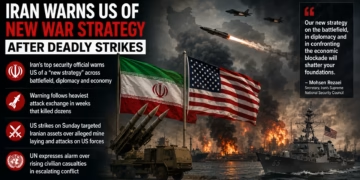
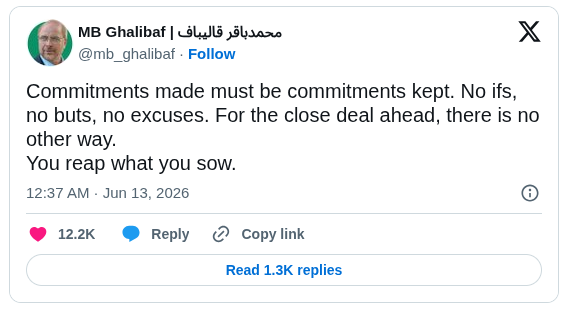
The US Iran peace deal negotiations are unfolding against a backdrop of continued military activity. The US military confirmed it had intercepted multiple one-way attack drones launched in an attempt to strike commercial ships transiting the Strait of Hormuz.
President Trump issued a sharp warning to Iran on Truth Social about the drone strikes on shipping vessels attempting to use the strait, calling the action “TOTALLY UNACCEPTABLE.”
The contradiction between ongoing military provocations and active diplomatic negotiations underlines just how fragile the current situation remains — and why, despite the 80-85 percent confidence figure, the US Iran peace deal is far from done.