






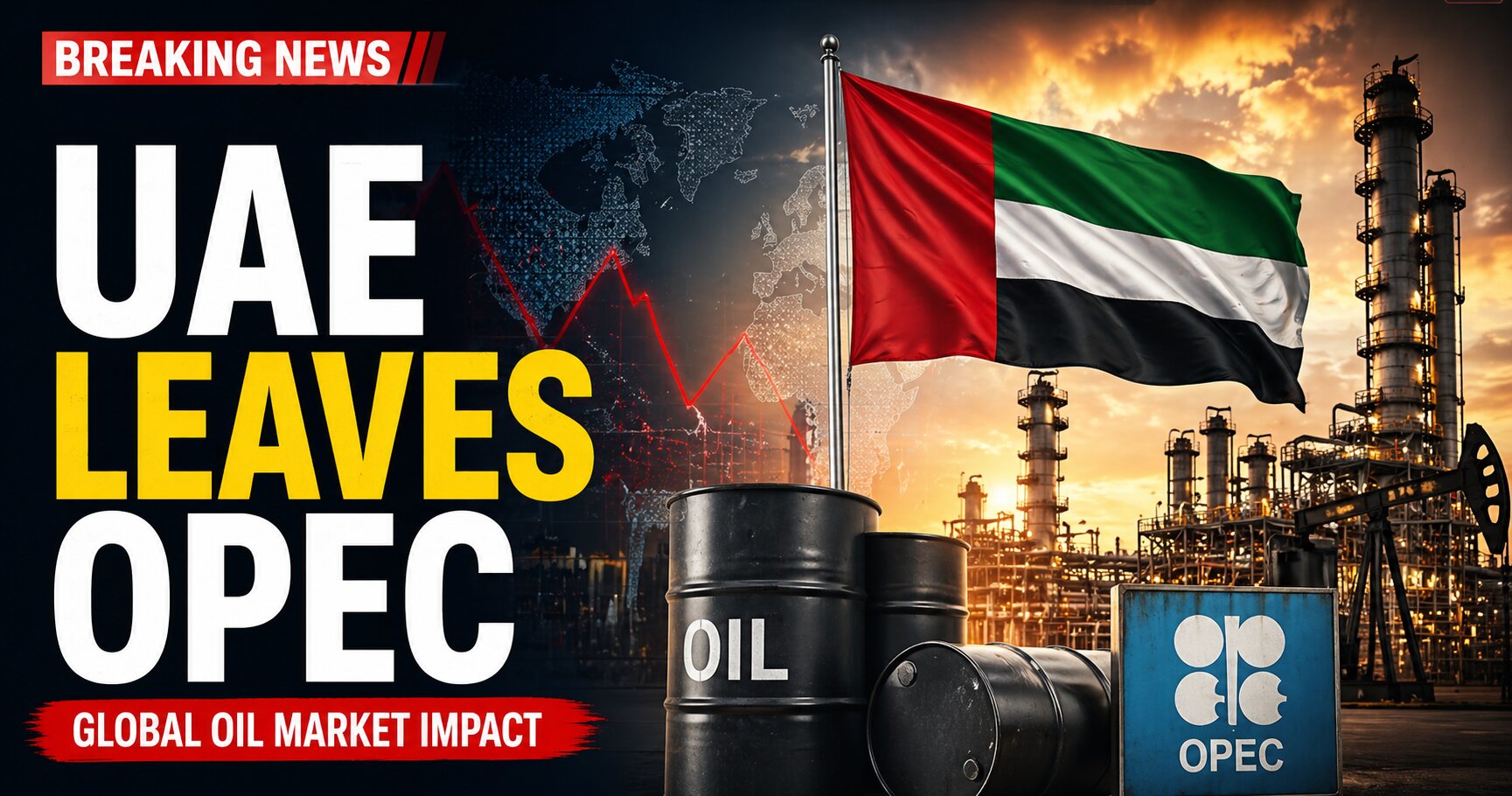
The United Arab Emirates (UAE) has announced that it will exit the Organization of the Petroleum Exporting Countries (OPEC) starting May 1, a move that could significantly reshape global oil markets and deepen divisions among Gulf nations.
The decision comes at a time of heightened geopolitical tensions following the Iran war, which has disrupted energy supplies and exposed internal disagreements within OPEC. As one of the group’s largest oil producers, the UAE’s departure is expected to weaken OPEC’s influence over global oil output.
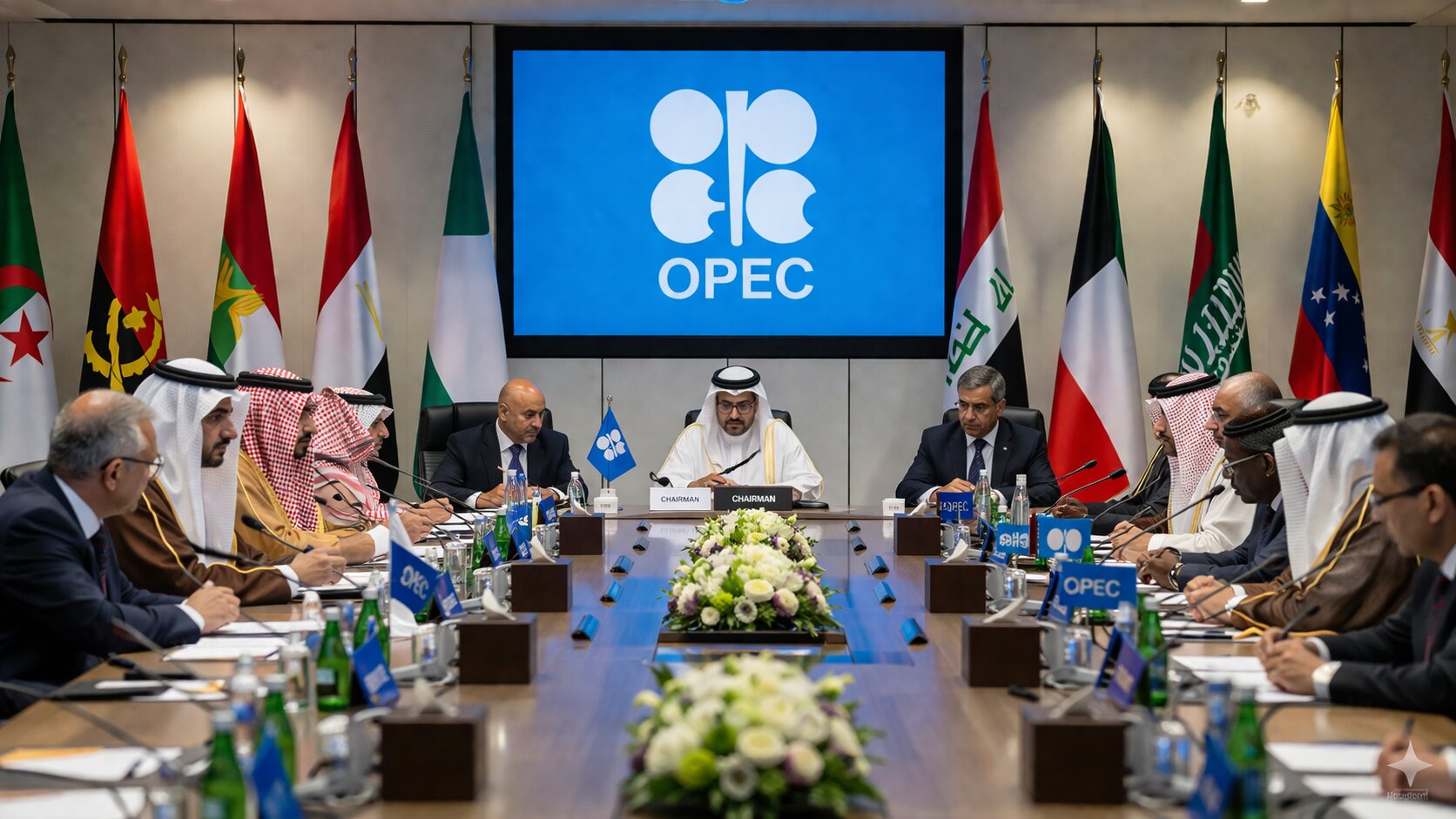
A Strategic Policy Shift
UAE Energy Minister Suhail Mohamed al-Mazrouei stated that the move was a strategic decision based on the country’s long-term energy policies. He emphasized that the UAE aims to position itself to meet rising global energy demand without being constrained by OPEC production quotas.
By leaving OPEC, the UAE will gain greater flexibility to increase its oil output, especially once exports through key routes resume fully.
Impact on Global Oil Markets
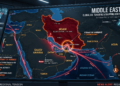
The announcement led to a slight easing in oil prices, as markets reacted to the possibility of increased supply in the future. However, analysts believe the immediate impact will remain limited due to ongoing disruptions in the Strait of Hormuz, a crucial chokepoint through which a significant portion of global oil passes.
The International Energy Agency (IEA) has already noted a decline in OPEC+’s share of global oil output, falling from around 48% in February to 44% in March, with further declines expected.
Geopolitical Implications
The UAE’s exit is also seen as a sign of growing tensions with Saudi Arabia, traditionally the dominant force within OPEC. The move highlights a widening rift between Gulf allies over energy policy and regional influence.
Analysts suggest the decision could benefit global consumers by increasing supply and easing price pressures. It may also align with long-standing criticism from Donald Trump, who has accused OPEC of artificially inflating oil prices.
A Turning Point for OPEC
Experts believe the UAE’s departure raises serious questions about OPEC’s future cohesion. With its significant spare production capacity, the UAE could now expand its global market share independently, potentially challenging Saudi Arabia’s role as the key stabilizer of oil markets.