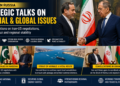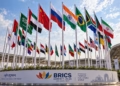
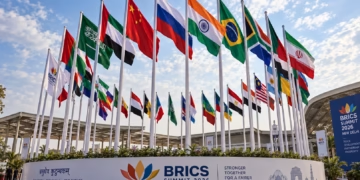







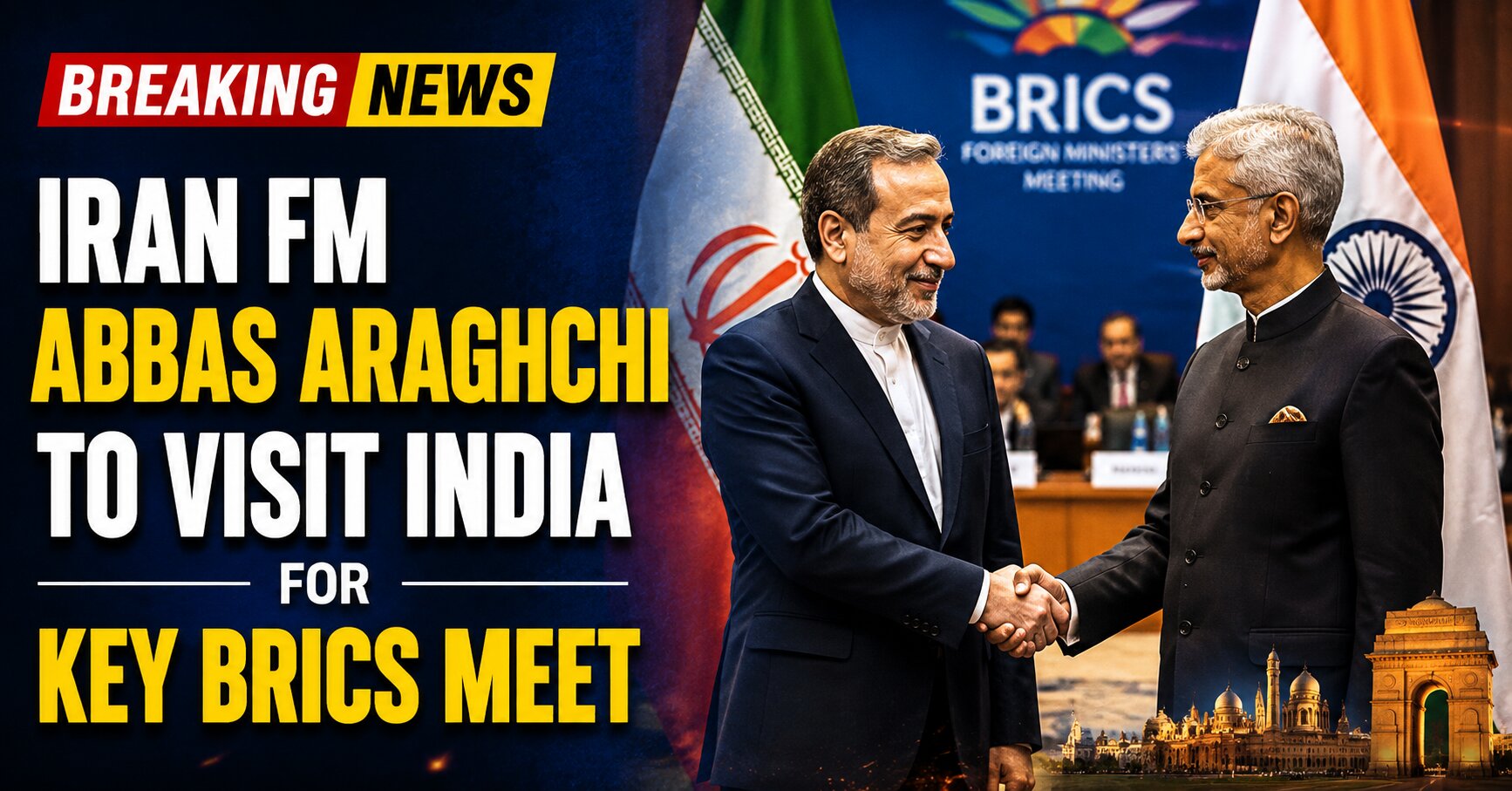
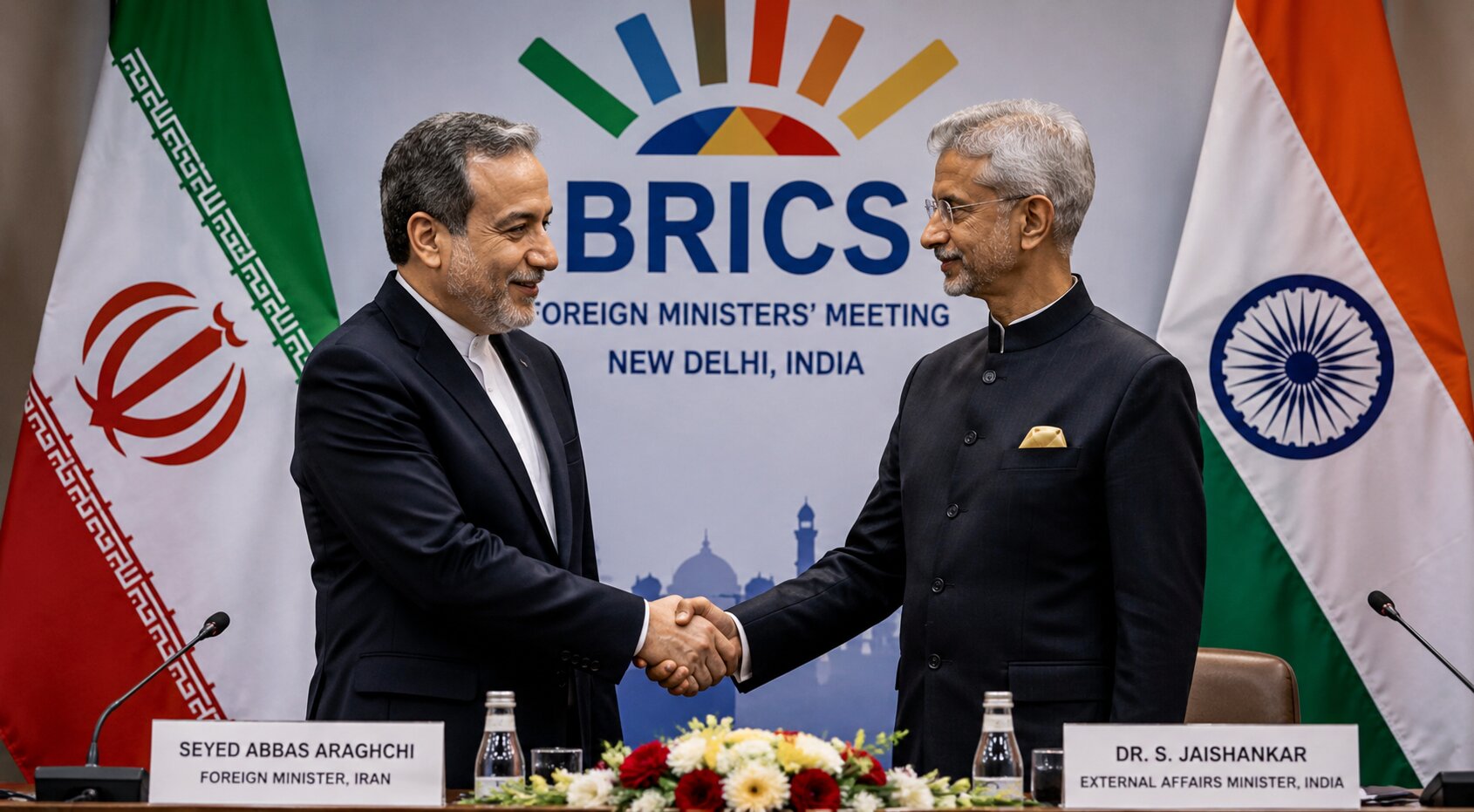
Iran’s Foreign Minister Seyed Abbas Araghchi is set to visit India to participate in the upcoming BRICS Foreign Ministers’ Meeting scheduled for May 14-15 in New Delhi.
The visit comes at a crucial time amid escalating tensions in West Asia and is being viewed as an important step in strengthening ties between India and Iran.
The Iranian Embassy in India confirmed the development through a post on X, stating that Araghchi would travel to New Delhi to participate in the high-level BRICS meeting being held under India’s chairmanship.
According to the embassy, the Iranian Foreign Minister is also expected to hold discussions with India’s External Affairs Minister S. Jaishankar and other senior officials participating in the summit.
Focus On Regional Stability And Cooperation
The BRICS Foreign Ministers’ Meeting will focus on regional stability, multilateral cooperation and economic resilience.
Officials said the meeting will serve as a precursor to the 18th BRICS Summit, which is scheduled to take place in New Delhi later this year under India’s presidency.
India is expected to play a key diplomatic role during the summit as the expanded BRICS bloc continues to gain global significance.
Meeting Gains Importance Amid US-Iran Conflict
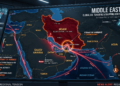
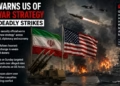
The meeting holds added significance due to the ongoing conflict involving Iran, the United States and Israel.
Hostilities escalated after airstrikes carried out by the US and Israel on Tehran earlier this year, increasing tensions across West Asia.
Amid the crisis, several diplomatic interactions have already taken place between Abbas Araghchi and External Affairs Minister Jaishankar.
Chinese FM Wang Yi To Skip Meeting
Meanwhile, Chinese Foreign Minister Wang Yi is expected to skip the BRICS Foreign Ministers’ Meeting due to US President Donald Trump’s scheduled state visit to Beijing during the same period.
Reports said Chinese Ambassador to India Xi Feihong may represent Beijing at the meeting instead.
The upcoming BRICS gathering is expected to attract global attention as major economies discuss regional conflicts, economic partnerships and geopolitical stability.