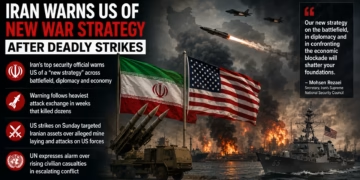







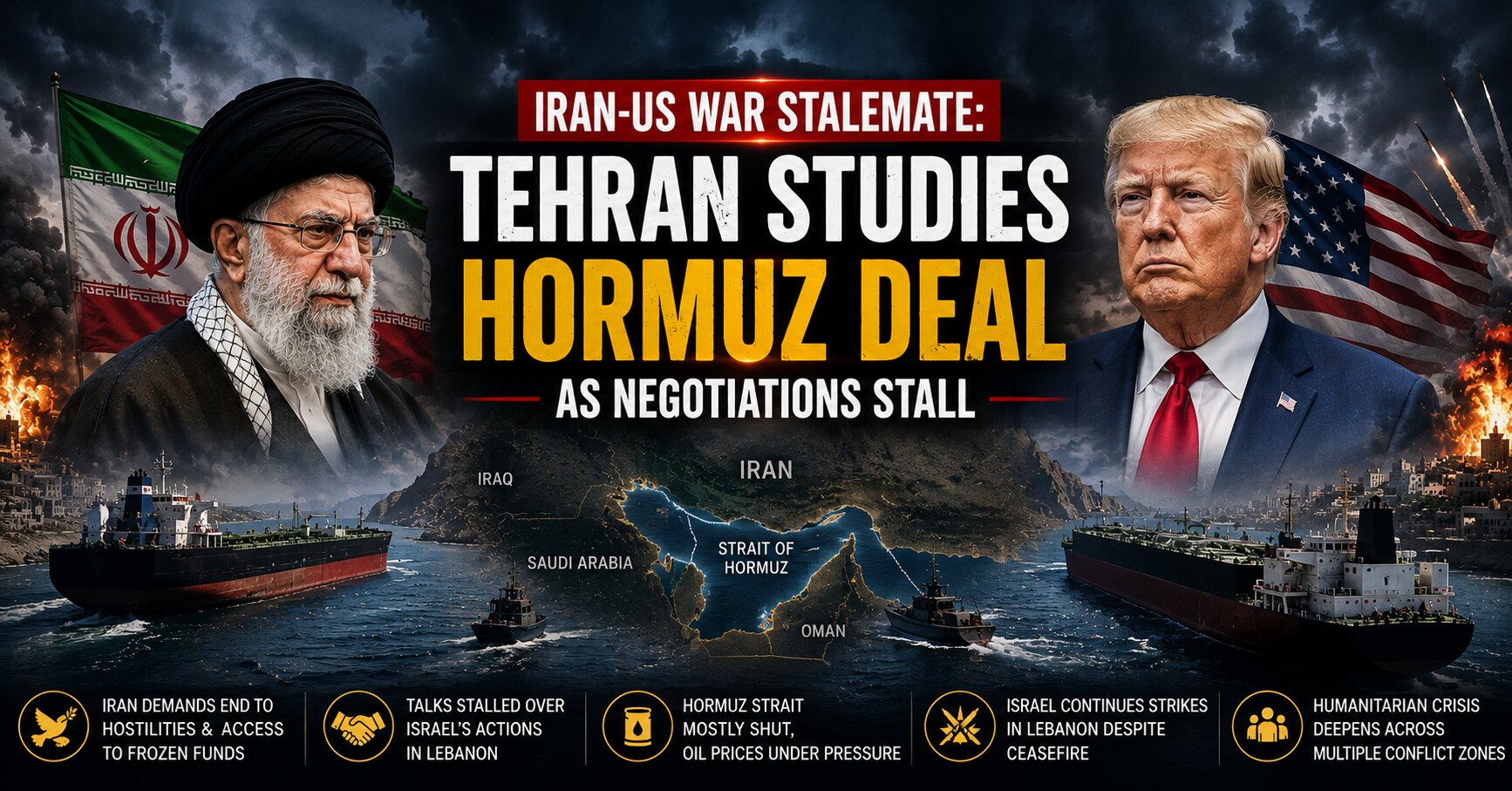
The Iran US war stalemate deepened on Tuesday as Tehran confirmed it was reviewing a proposed agreement with Washington but had stopped communicating for several days, even as US President Donald Trump insisted negotiations were ongoing and a deal was close.
More than three months after the United States and Israel launched strikes against Iran, the conflict has settled into a grinding stalemate — with the pivotal Strait of Hormuz largely shut, oil prices under pressure and no breakthrough in sight.
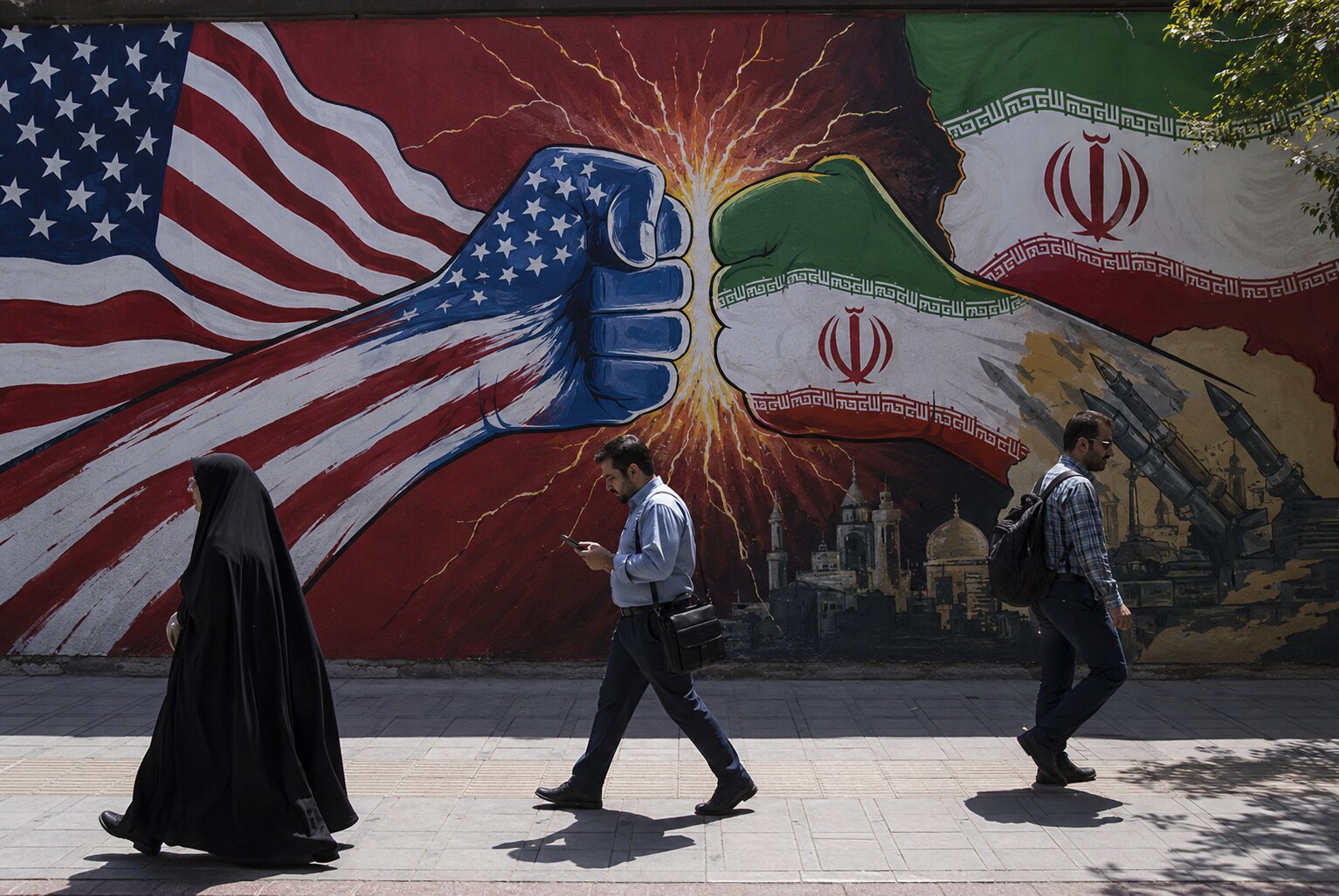
What Iran Is Demanding From the Deal
Iranian sources say Tehran is pushing for a limited interim agreement that would ease crippling economic pressure without forcing major concessions on its nuclear programme.
Iran’s key demands include an end to hostilities across all fronts including Lebanon, access to billions of dollars in frozen oil revenues, waivers on crude exports, a lifting of the US blockade on its ports, and continued leverage over the Strait of Hormuz.
Mehr News Agency, citing a source, reported that Iran was taking a “stern” approach to the proposed deal given what it sees as a long history of US non-compliance and deep mistrust built up over decades.
The semi-official Fars agency added that messages between the two sides on the possible memorandum of understanding had stopped a few days ago — with the last communication being Tehran’s clear demand for a halt to Israel’s military incursion into Lebanon, where Iran backs Hezbollah.
Trump Caught Between a Rock and a Hard Place
US President Donald Trump said on Monday that negotiations were continuing and that a deal would be reached within the next week to extend a ceasefire agreed in early April and reopen the strait.
Since mid-March, Trump has repeatedly claimed he is close to finalising an agreement — one that would postpone the thorniest issues, including the future of Iran’s nuclear programme. However, despite the ceasefire largely holding since early April, Iran and the US have exchanged strikes several times over the past week alone.
John Bolton, Trump’s former national security adviser turned critic, summed up Washington’s dilemma bluntly.
“He wants to have a deal that opens the Strait of Hormuz, and he can declare victory and get the price of gasoline down. But he knows if he makes a bad deal, he’ll be justifiably criticised for it — so he’s between a rock and a hard place,” Bolton told Reuters.
Hormuz Strait: Global Oil Supply at Risk
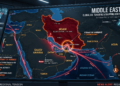
The Iran US war stalemate is having severe consequences for global energy markets. The Strait of Hormuz previously carried around one fifth of global supplies of oil and liquefied natural gas — and its effective closure since the conflict began has sent shockwaves through energy markets worldwide.
Oil prices fell more than one percent on Tuesday. A senior International Energy Agency official warned that oil inventories could hit historically low levels if the situation continues.
Iran’s elite Islamic Revolutionary Guard Corps confirmed on Tuesday that 24 vessels had transited the strait in the past 24 hours after obtaining special permission from the Guard’s navy — underlining that Tehran retains firm control over the waterway.
Iran escalated its threats further on Monday, warning it would expand its blockade to the Bab El Mandeb Strait — another critical chokepoint at the mouth of the Red Sea — if Israel resumed strikes on Beirut.
Israel Continues Strikes in Lebanon Despite Ceasefire
The war that began on February 28 has killed thousands of people, mainly in Iran and Lebanon. It has also triggered the deepest Israeli military incursion into Lebanon in 25 years, drawing in the Iran-aligned militant group Hezbollah.
On Tuesday, Israel continued strikes on towns in southern Lebanon despite a US-mediated partial ceasefire announced on Monday. That arrangement would require Israel to refrain from strikes on Beirut and Hezbollah-controlled southern suburbs, while Hezbollah would halt attacks on Israel.
The ceasefire announcement failed to reassure Lebanon’s population, with 1.2 million people already displaced by the conflict.
“Every time we return to our homes, there is a warning for us to be displaced again,” said Faten Al Chehime, who fled to a displacement camp from her home in Beirut’s southern suburbs — just two weeks after returning there.
Israeli Prime Minister Benjamin Netanyahu is facing domestic criticism over any agreement to hold back from further strikes on Beirut, with an election later this year in which he is projected to lose.
Humanitarian Crisis Deepens Globally
The world’s largest shipping group MSC confirmed on Tuesday that one of its vessels was struck by two projectiles while docked at Iraq’s Umm Qasr port. Iran’s Revolutionary Guards claimed responsibility, describing the attack as retaliation for a US strike on an Iranian vessel in the Gulf of Oman.
The United Nations children’s agency UNICEF warned that surging transport costs and supply chain disruptions caused by the Iran US war stalemate were now hampering life-saving aid delivery to Gaza, Lebanon, Democratic Republic of Congo, Mali, Somalia, South Sudan, Nigeria and other conflict zones.
With no deal signed, no clear diplomatic breakthrough and both sides hardening their positions, the Iran US war stalemate shows no signs of resolution — leaving global energy markets, regional stability and millions of civilians caught in the crossfire.